
THE LOYALTY MYTH IN UK BEER
Beer & Stout
Hate to break it to you beer brands, but loyalty in this market isn’t based on emotional devotion – it’s habit.
That’s not true! We hear you say.
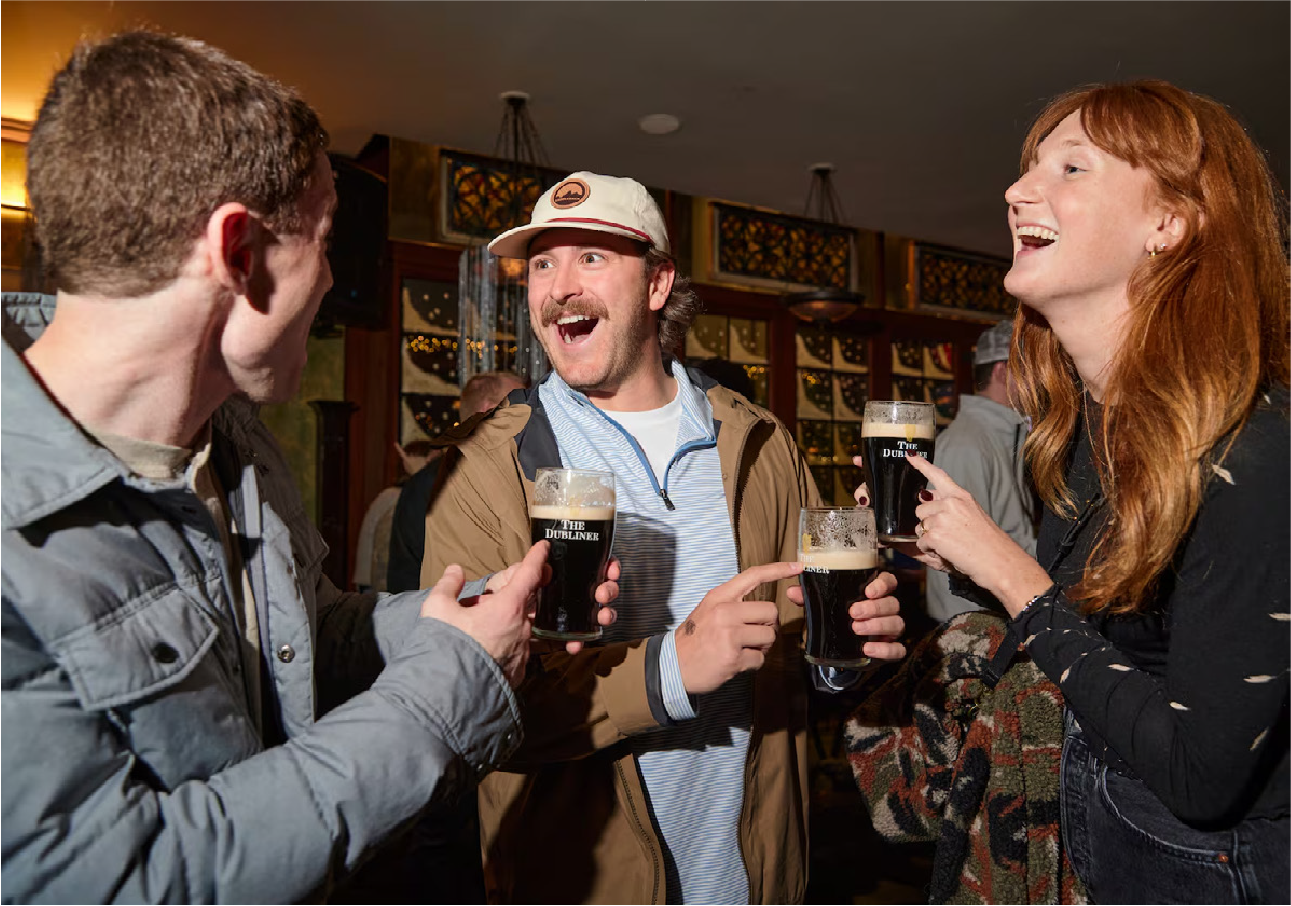
On the surface, UK shoppers and pub drinkers appear highly loyal to the established brands, especially across lager and stout subcategories. Guinness, for example, seems to have untouchable brand loyalty, it’s become an identity as much as a drink. However, if you look closer, challengers are gaining traction, not by asking consumers to love them more but by making it easier to choose them over a well-established competitor.
This leads to our hypothesis: Loyalty is not fixed. It’s simply the path of least resistance. Challenger brands win by understanding and disrupting that path.
Macro Trends Reshaping The Loyalty Landscape
To understand where loyalty is moving, brands need to have a clear understanding of where consumer behaviours are evolving.
Over Complexity Is Out
Many have argued lately that craft beer is dead, but what is clear from consumers is that craft beer isn’t dead complexity is. Consumers need to clearly understand what they’re drinking, confusing beer styles make drinks off-putting and less inviting.
Drinking Less But Better
Gen Z are a key driver behind the drinking less but better movement. So brands need to realise that aesthetics, flavour exploration and connecting with popular trends is more important than ever to connect with younger drinkers.
Moderation is Mainstream
The continued growth of the no/low category creates new switching moments for consumers. Where previously they may have selected a beer they’re opting for an alcohol-free alternative.
TikTok Drives Culture Shifts
Stout’s resurgence wasn’t thanks to a multi-million ad campaign spend, it was a shift in culture, viral videos and trends that led drove awareness, consideration where there once was not and purchase. Brands that understand and can tap into these macro trends are rewarded by consumers for showing cultural relevance and becoming part of modern zeitgeist.
Why Drinkers ‘stay loyal’: It’s not what marketers think
To see how challengers unlock growth, we need to look beneath the surface. We must consider the behavioural patterns that shape why drinkers stick with the same brands in the first place.
Loyalty = Mental Shortcuts, Not Brand Love
Marketers and strategists often imagine loyalty comes from a consumer’s emotional commitment towards a brand, a deep connection that keeps drinkers returning again and again.
In reality, most drinkers don’t spend considerable about of time contemplating their choices. Consumers typically reach for what they recognise, what they’ve drank before and what feels like a ‘safe’ choice. The brain defaults to the familiar because it requires less effort.
This drives repeat sales for brands but doesn’t signify a sign of fierce devotion. It demonstrates habit, routine and decisions made using the path of least resistance.
Challenger brands can harness this opportunity to disrupt behavioural defaults, this is just as true in the off trade, where time pressure, shelf overload and choice overwhelm make familiarity the automatic choice.
Why Guinness Feels Invincible
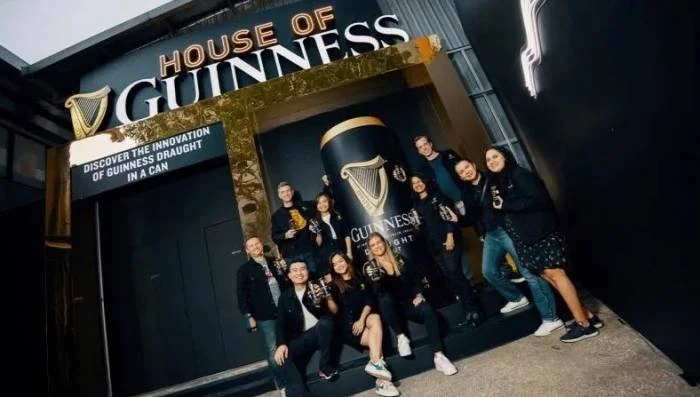
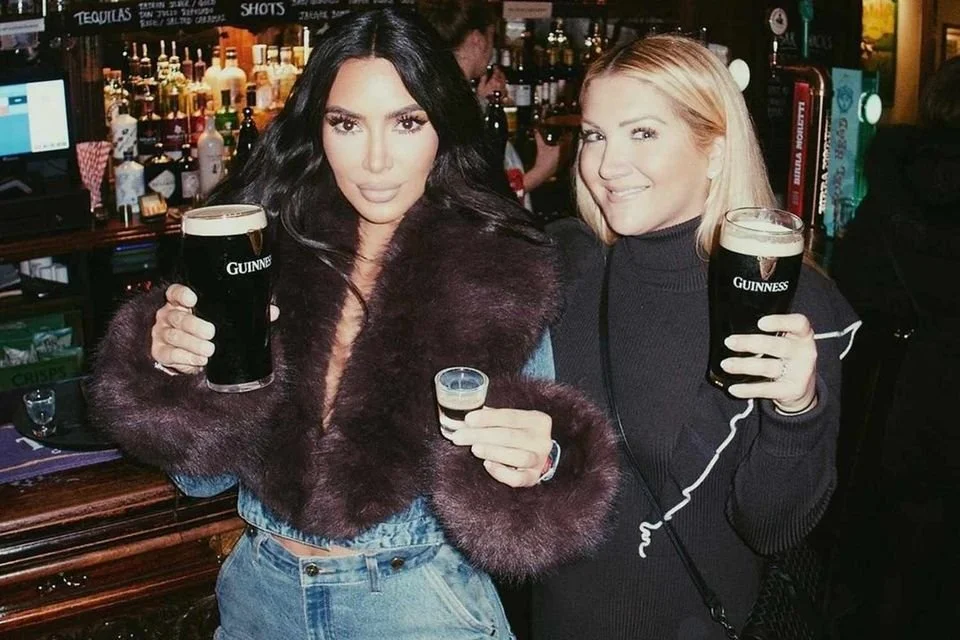
Guinness has had decades to create an iconic ritual, distinctiveness and cultural connection. Lately, Ireland’s best-selling brew has found new favour among women, Gen Z and celebrity drinkers, like Kim Kardashian and Olivia Rodrigo. This rise in popularity has even causing shortages across UK pubs. Whilst this rise in fame looks good for Guinness, it has also opened the door to competitors.
Social media moments like ‘Splitting the G’, and celebrities such as Kim Kardashian and Olivia Rodrigo drinking Guinness have helped transform it from an “old man’s drink” into the go-to choice for new audiences.
But it’s important to acknowledge that this is only part of the picture. Guinness also retains a core base of true loyalists, drinkers who swear by its flavour, mouthfeel and pour ritual. Many are very sensitive to where and how it’s served, even seeking out pubs known for “a good Guinness” sourced or stored in specific ways. For this group, taste and ritual aren’t just preferences; they’re non-negotiable parts of the Guinness drinking experience.
However, one could argue that most consumers don’t operate at this level of connoisseurship. Challenger stouts aren’t typically losing because people dislike them; they often lose because people don’t notice them. And when Guinness disappeared from taps during supply shortages, many drinkers were happy to switch to alternatives like Murphy’s. Visibility, not taste, became the decisive factor revealing how easily habitual choices can be disrupted for stout drinkers.
We also see another growing opportunity, the rise of the British Stout. When provenance and local pride are resonating with younger drinkers, a strong Modern British Stout narrative could make challengers stand out from Guinness’ Irish heritage.
How Other Challenger Beer Brands Rewrite the Loyalty Script
It’s not just stout challenger brands that are having a moment. Across the beer market, new brands are innovating the space and using creative tactics to make switching from established choices easier.
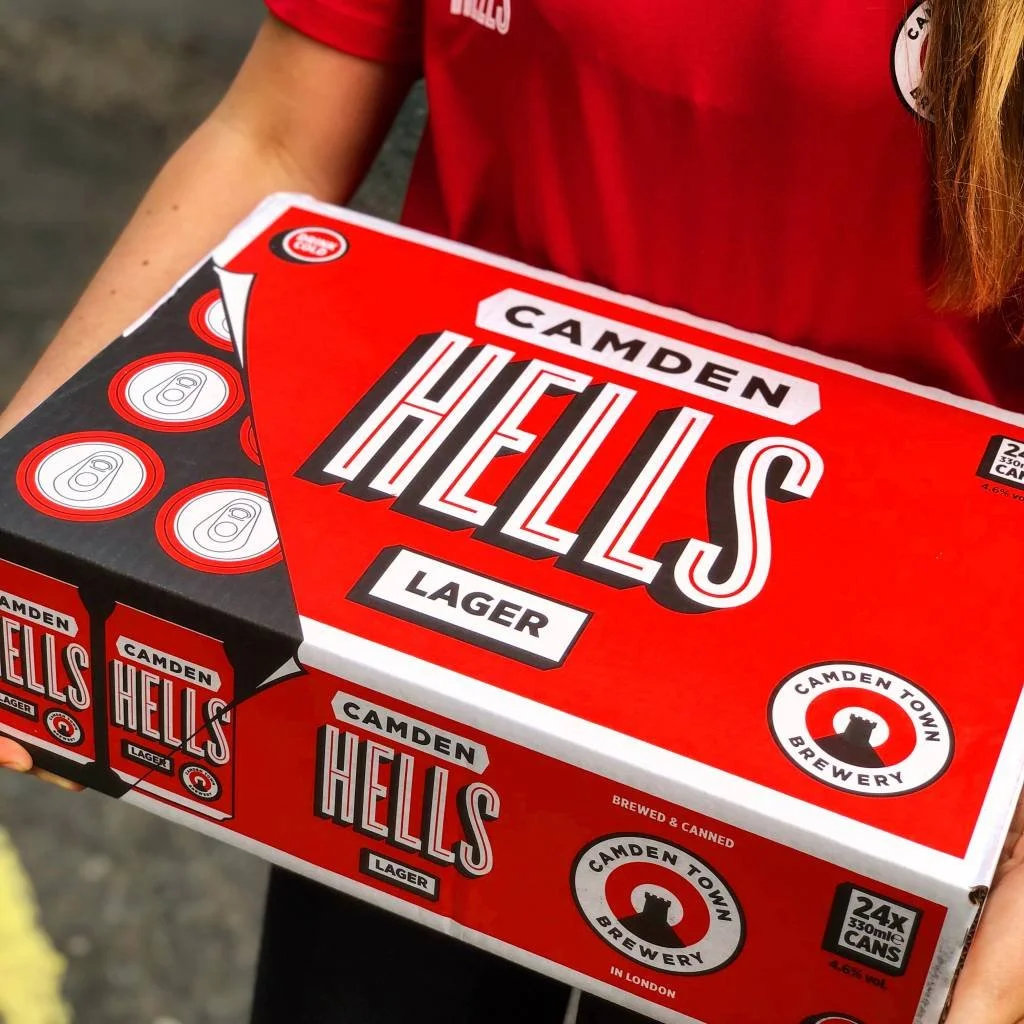
Camden Hells
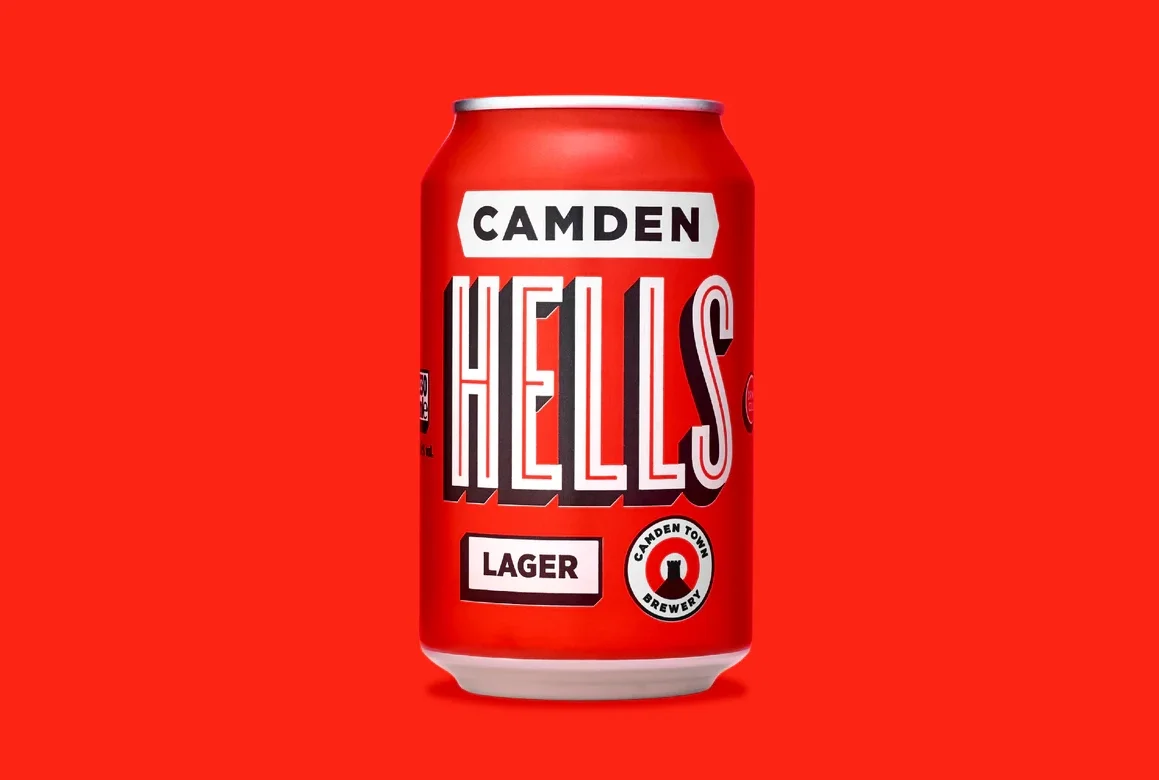
Camden Hells wins by redefining familiarity. The lager brand has used design cues that look familiar enough to trust, but distinctive enough to be noticed. Its use of bold coloured pack designs and carefully designed glassware makes them the obvious choice in a cluttered environment.
In supermarkets, Camden excels in ‘Quick Pick’ consumer behaviour. Simple typography, clear beer style and strong colour blocking make it an effortless choice in busy fridges or beer aisles.
Beavertown Brewery
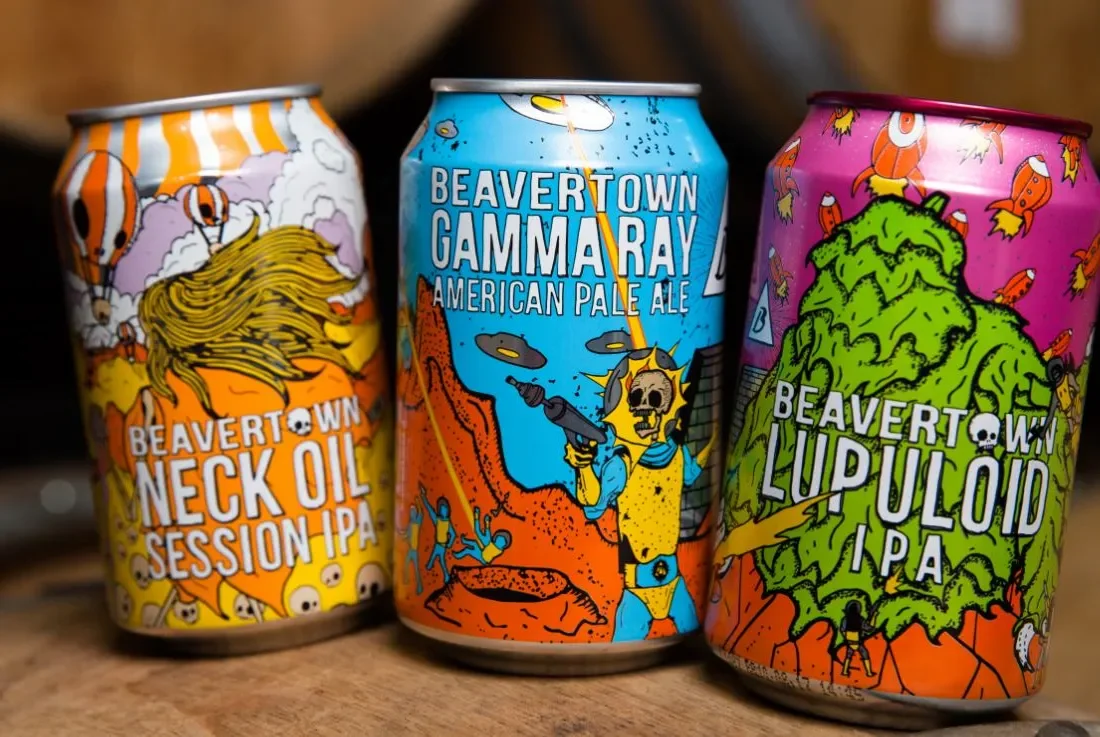
Beavertown’s bright, retro comic-book style illustrations create instant shelf presence. This use of bold design means that the beer speaks before the brand name is even read on the can, pack or bar tap handle. It also utilises interesting naming choices to create memory recall in both the on and off trade environments.
Vocation
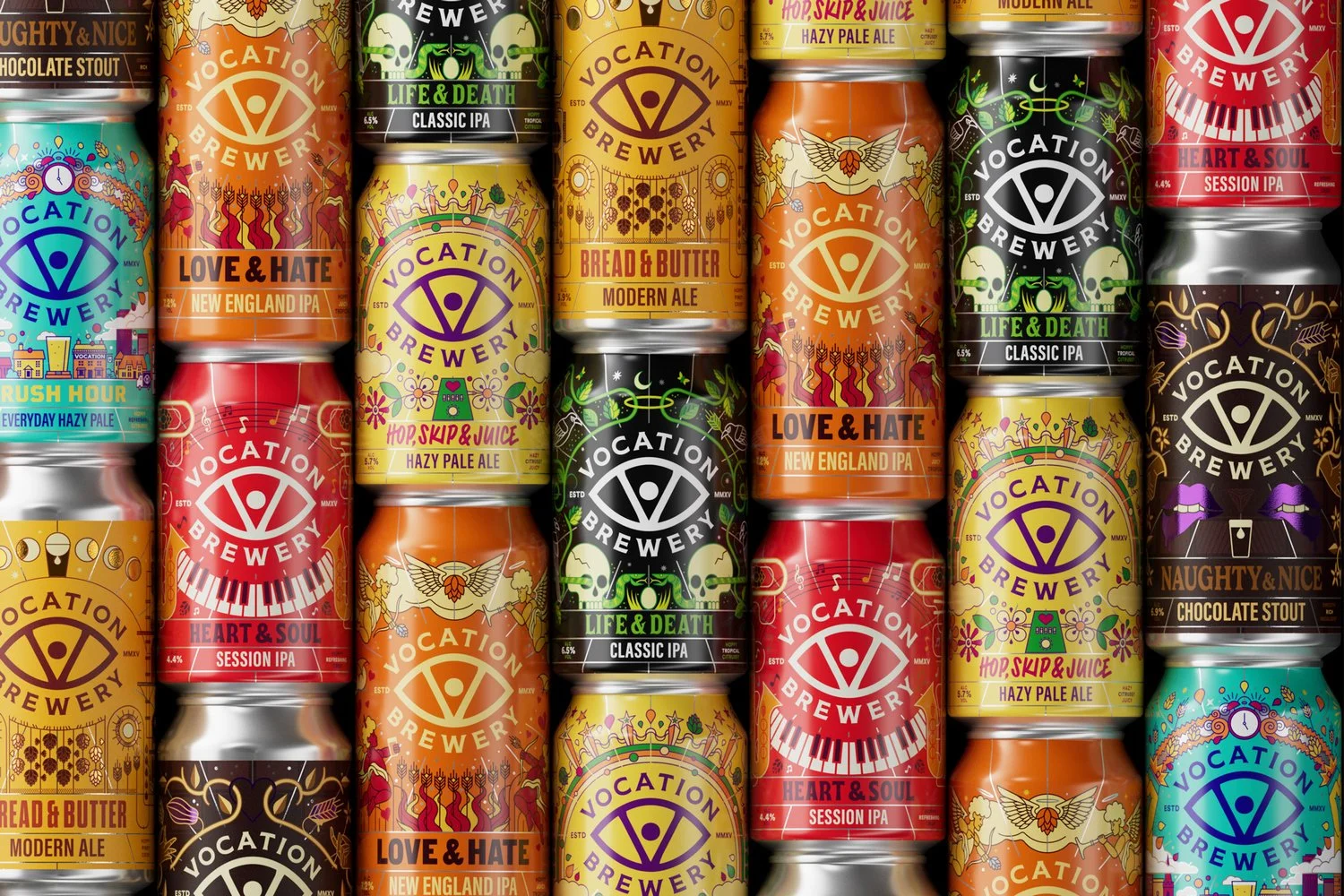
Unlike Beavertown, Vocation creates clear flavour cues through its vibrant label designs. The purpose? To reduce supermarket choice overload by being the clear, simple choice for consumers.
This is why Vocation dominates supermarket shelves. Shoppers don’t want complexity, and Vocation provides a straightforward entry point into ‘good beer’ without the confusion the craft market can sometimes create.
Behavioural Strategies To Break Loyalty
If we were to distil the how challenger brands break ‘loyalty’ they’d fall under five key strategies.
1. Make the brand easier to notice. Distinctive assets, packaging disruptors and bold brand worlds attract attention.
2. Make the decision easier to justify. Clear name styles like ‘Hells’, ‘Neck Oil’ and ‘Black Heart’ are memorable and easy to recall.
3. Make Trial Feel Low Risk. Familiar styles, quality messaging, taste cues and craft positioning reduce the risk for consumers. While multi-packs or limited edition choices encourage experimentation.
4. Make Availability Impossible To Ignore. Whether that is supermarket shelf presence or iconic bar presence. Be so visible that people cannot help but notice you.
5. Make The Brand Feel Culturally Relevant. Brands can no longer rely on heritage alone, they need to maintain momentum to resonate with modern drinkers. Collaborations, partnerships, bold launches and distinctive storytelling all play a part in creating this consumer perception.
So, what can brands learn from this and how can Wonderworks support? The key takeaway, beer brands shouldn’t fight for hearts; they should fight for attention at the point of selection. Challengers brands don’t have long-standing heritage weighing them down they have to create their own stories. This gives them the space to break category codes and become a stand out player.
As a creative drinks agency, we help beer brands harness behavioural insight to cut through habitual choices. We turn brand stories into distinctive identities and high-performing assets that work where it matters most- the moment a drinker decides what to buy. From simplifying the shopper journey to building unmistakable visual worlds, we help new entrants land with confidence and enable challenger brands to grow beyond the shadow of market leaders.
LET’S MAKE IT HAPPEN
At Wonderworks, we design for the decision moment, across shelf, serve and screen to shift behaviour in your favour.
If you're looking to unlock new growth in a crowded category, let’s talk.