
VISIBILITY ISN'T LUCK
FIVE YEARS OF MENTORING WOMEN IN DRINKS
After five years of mentoring women in drinks, the same themes surface every single year. Halfway through the 2026 Wonder Women mentoring programme, Sarah Wildman-King reflects on what those themes say about our industry, and what the first four sessions have unearthed about confidence, openness and knowing your own value.
Five years of running a mentoring programme for women in the drinks industry, and one thing comes up more than everything else.
Imposter syndrome. Every cohort, every year, in every corner of the trade. Founders who have built something from nothing. Women running global portfolios. People with fifteen and twenty years behind them who are still waiting for someone to notice they don't belong.
What strikes me is not that so many women feel it (most of us worked that out a long time ago). It's that they each believe they're the only one, right up until the moment they hear somebody else describe it, and then you can watch the whole room change shape.
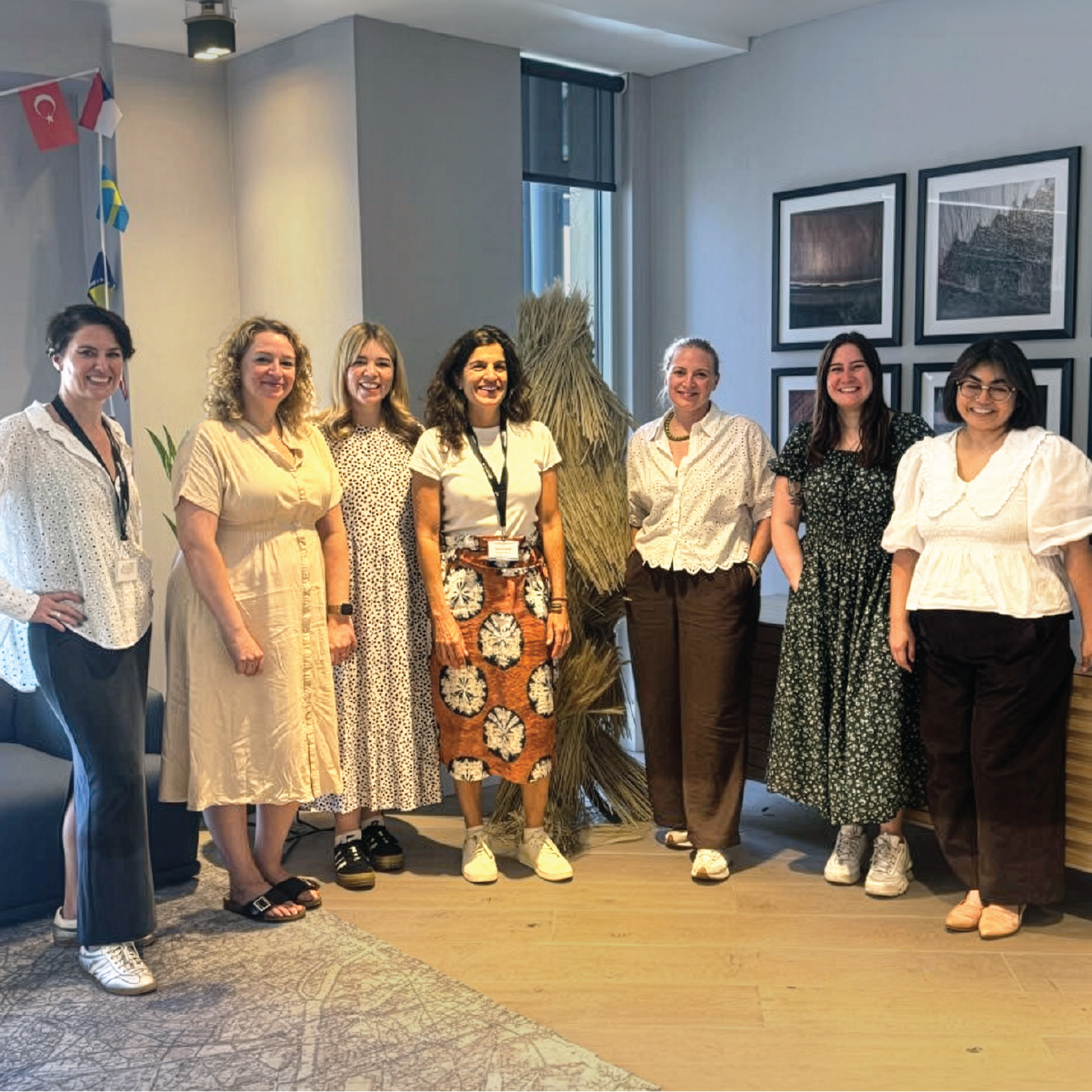
This is the fifth year of Wonder Women. We're four sessions into six, with over 30 women taking part, and it felt like the right moment to write this now when themes start showing themselves and commonalities start taking place.
Why we started
Wonderworks would not exist in its current shape without other people's generosity. Building a creative agency in the drinks industry meant a lot of people handing over their expertise, their contacts and their time, usually for nothing in return. Some of them gave us kind words. Some gave us surprising ones. A few gave us genuinely tough ones, and those were often the ones that changed us the most.
At some point it became obvious we'd drawn quite heavily on that well and we wanted to pay it forwards.
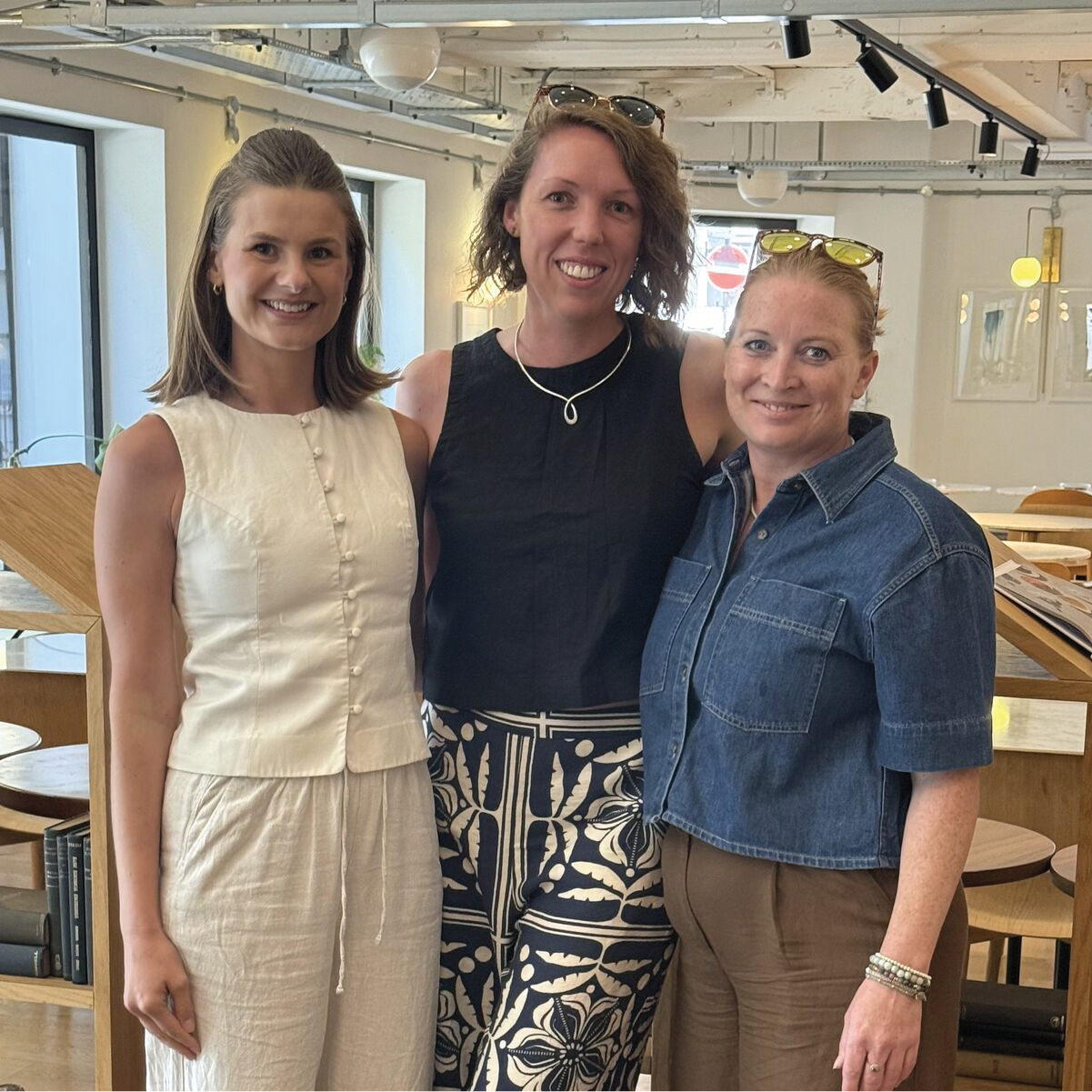
That paying it forwards has been Wonder Women – five inspiring, joyful and at times, mind-blowing years of mentoring women in drinks. From 1-2-1 mentoring sessions to more informal sessions led as a group, this year we've built the programme entirely around the group mentoring model, learning peer-to-peer and mining the wealth of information, knowledge and expertise that exists amongst women in drinks.
This year, we also have the absolute pleasure of partnering with Carly Foxwell, who founded the commercial drinks consultancy Fox in the Well. Together with her expertise in commercial operations honed over the last 22 years, we are honoured to be able to present a programme that is commercially and strategically relevant for today’s women in drinks.
Often describing herself as the only woman in the room and usually the youngest, Carly and I share a deep understanding for the challenges, opportunities and choices so many women must make in this industry every day.
Below I share some of my learnings from over the past 5 years and reflected in our first four group mentoring sessions of Wonder Women 2026.

Building confidence
Let’s be clear, building confidence is not the same as being told to have some..!
The drinks trade has developed a slightly lazy habit around confidence. We put on the panel. We tell women to back themselves, take up space, stop apologising. All well meant, and none of it explains why a group of women who have never met before, produce more or less the same list of what they're struggling with.
When the same thing happens to everybody, it stops being a psychological quirk and starts being a description of the industry we're all standing in.
What actually shifts it, in my experience, is far more practical. It's being specific. Name what you need, out loud, in front of people. Not “I'd like to grow my network”, but the actual thing. Someone in the room, your network, the industry, will almost always have it, and they cannot offer it if they don't know you want it.
The other half of that is asking women what they can give rather than only what they need, which is now the first thing I do with any new cohort. Women arrive at a mentoring programme braced to be the one with the deficit. Being asked what you've got to offer, in front of everyone, before you've had time to talk yourself out of it, changes the temperature of the entire thing. We all have something to give, even on the days we’ve turned up looking for help.
None of this works unless people are actually willing to be open with each other, vulnerabilities included. That's the uncomfortable part, and it's non-negotiable. A group of women being professionally impressive at each other for six months would be pleasant and completely useless. But a group of women willing to share (and learn from) each other’s challenges, triumphs, mistakes, is genuinely worthwhile.
Being open
How is your career actually going?
In our second session with Wonder Women stalwart, Stephanie Jordan-Balmforth, whose own path runs from a graduate scheme through international commercial roles, a global brand ambassadorship, co-founding a sustainable drinks brand, Avallen Spirits, and consulting alongside most of it, her main point when it came to careers, was thinking of them as seasons.
Careers as seasons is straight forward and, I think, quite radical for women in our industry. There are seasons for moving across the world with two suitcases and no fixed plan. There are seasons where the ambition is simply to keep everything running whilst raising a family, juggling ageing parents, and keeping some kind of routine. Our generation of women was told we could have it all, and we can, but not all of it simultaneously, and expecting otherwise mostly generates feelings of failure or guilt.
What I take from that, and what I'd say to anyone in this trade, is that none of us have all the answers, including the people who look as though they do. Life and career rarely unfold the way you expect them to. The women I most admire in drinks have not run in straight lines, and the industry still has an unhelpful habit of reading a non-linear path as inconsistency rather than range.
So, the takeaway here is: build real connections, ask for help, and give back where you can. It might sound soft, but I’d argue it’s the most commercially useful thing in this piece.

Knowing your value (and letting other people know it too)
The drinks industry runs on relationships. Nobody who works in it would argue otherwise. It's why we all trek to the same trade shows, why the interesting conversation is always the one after the dinner, why an entire career can turn on twenty minutes at a bar at eleven at night.
We are considerably less honest about where those relationships have historically been formed.
Nicola McRedmond of DrinkAbility, who joined us for our third session to talk about building a network with intention, made the point that a lot of bulk spirits deals in this trade still get done on a golf course. Whole categories in drinks were built by men and for men, and the routes into them were laid down the same way. We have been extremely relaxed about calling that “how the industry works” rather than what it actually is, which is a filter.
So when we tell a woman in drinks she needs to be more visible, we should be clear-eyed about what we're asking. The traditional routes to visibility here are late nights, weekends away, long-haul travel and rooms where you're the only person who looks like you. Every one of those is harder with a child at home. Several are harder if you don't drink the way this industry quietly assumes everyone drinks. None of them has anything to do with whether you're good at your job.
Two things came out of that session that I've used myself since.
The first is that most of us badly misjudge where opportunity comes from. We assume it arrives through our closest contacts, the handful of people who know us properly. It doesn't. Your loose connections are where most of your opportunity comes from, the people just far enough outside your immediate circle to know things, and know people, that you don't.
The second is that being seen isn't enough on its own. Plenty of women in this industry are visible and still overlooked, because visibility without substance attached to it is just noise. People need to know what you're actually good at, beyond your job title, and they need to trust it enough to put their own name behind recommending you.
Which brings me to Nicola’s words that I keep coming back to. Visibility isn't luck. It's a decision.
I'd add one thing to that from where I'm sitting. We are in a hard commercial season across this industry. Budgets have come down, teams have got smaller, and plenty of people who felt reasonably secure two years ago don't now. In a good year, being quietly brilliant will usually get you where you're going. In a year like this one, the people who get the call are the ones who were already in somebody's head. I don't much like that, but I'm also not going to pretend it isn't true.
Investing in yourself
Our fourth session took a different turn. Simon Tomkins, who founded Simon Tomkins Coaching and now leads a team of specialist coaches, joined us to talk about the power of coaching. He has spent more than fifteen years in personal development and positive psychology, largely with ambitious people who have built the career they wanted, but were quietly paying for it in stress, health or sacrificing simple enjoyment. His own turning point came on a fourteen month trip around the world, which felt like an echo of the seasons conversation we had two sessions earlier with Stephanie.
The first thing he took apart was the idea that there is a right moment for it. There isn't. Coaching earns its place at completely different points in a career and for completely different reasons, and plenty of people come back to it more than once, years apart. Most of us wait until things are difficult enough to justify it, which is precisely the wrong way round.
The second was about money, which is where women in this industry tend to hesitate. Coaching is an investment in yourself. It can be a budget line that feels genuinely hard to justify, particularly when you are the person signing it off… But, in practice, it tends to repay itself many times over.
And the outcomes are not woolly. A shift in perspective, accountability, clarity, confidence. Every one of those feeds directly back into everything above, because knowing your value, being honest about the season you are in, and deciding to be visible rather than waiting to be noticed are all considerably easier with someone in your corner asking the right questions.
What's genuinely getting better
I don't want to leave this sounding bleak, because five years of doing this has made me more hopeful rather than less.
The drinks infrastructure is changing – and changing fast. Women in drinks networks, regional groups, online communities that do quietly what the golf course used to do, except you can be part of them at nine in the evening with a laptop on your knees. Nicola's view, which I think is right, is that women are already good at maintaining networks, because we do it naturally everywhere else in our lives and we do it honestly. Companies are moving too, albeit sometimes slowly. There are parental policies in this trade now that would have been unimaginable when I started, and I've watched women in these cohorts go back to their own businesses and argue successfully for better.
We've got two sessions left before this cohort finishes in October, and we shape them around whatever the group tells us it wants.
I'll write again at the end, but in the meantime, the thing I'd say to any woman in this industry, whether she's part of this programme or not, is the thing I wish someone had said to me much earlier. Asking for what you need is not an admission that you're floundering. It's the fastest way to stop. Most people in this trade are far more willing to help than you'd ever guess, and almost nobody minds being asked.
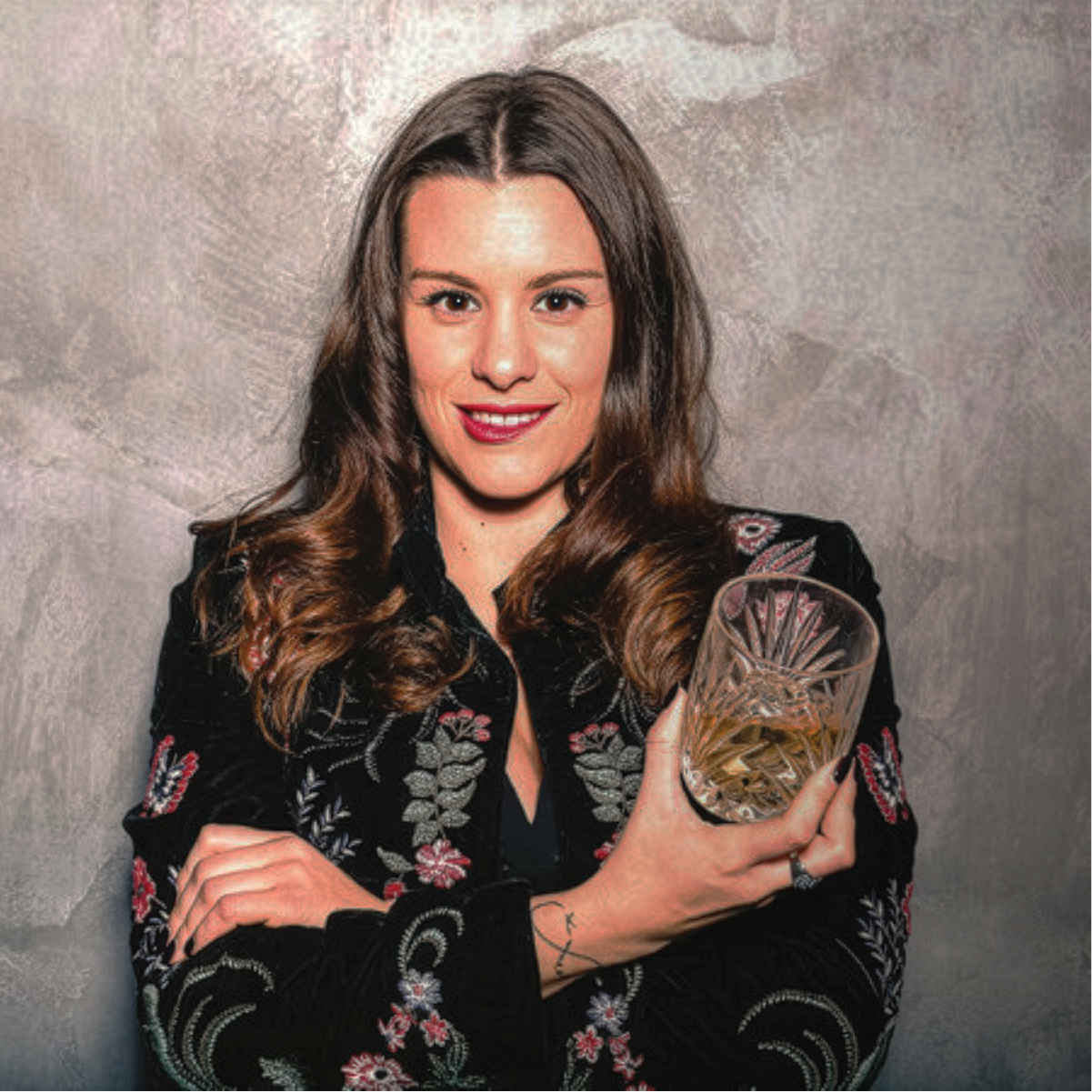
Written by Sarah Wildman-King, Co-Founder and Managing Director of Wonderworks.
This year’s Wonder Women programme is hosted in partnership with Carly Foxwell, Founder of Fox in the Well. Applications for next year’s mentoring programme will open in spring 2027.