
THE SERVE AS A COMMERCIAL WEAPON
WHAT DRINKS BRANDS CAN LEARN FROM THE ONES GETTING IT RIGHT
Ask most drinks brands what their serve strategy is, and they'll tell you about the garnish. The glassware. The lighting. Maybe a printed menu card.
Ask the brands that are actually growing, and the conversation sounds very different.
For them, the serve isn't a finishing touch. It's a commercial decision. One that sits at the intersection of brand strategy, channel planning and cultural timing. And when it's built right, it doesn't just look good on a bar menu. It moves product, drives listings, earns cultural relevance and compounds over time.
That's the thinking behind our upcoming WonderNETwork webinar, The Power of the Serve 3.0: The Commercial Weapon for Drinks Brands. But ahead of the session, we wanted to dig into the question that sits at the heart of it.
What actually separates a serve that impresses from one that grows a brand?
THE DRINKS INDUSTRY HAS A SERVE PROBLEM. AND IT'S NOT WHAT YOU THINK.
The problem isn't a lack of creativity. Walk into any decent cocktail bar and you'll find serves that are technically brilliant, beautifully presented and genuinely delicious. The drinks industry has never been short of imagination.
The problem is that most serves stop there.
They're designed to impress at the point of consumption. To photograph well. To earn a moment of approval. But they're rarely designed with a commercial question in mind: what is this serve actually doing for the brand? Where is it taking us? What does success look like in six months, or three years?
The brands changing the game right now are the ones asking those questions before they design the drink, not after. They're treating the serve not as the end of the creative process, but as the beginning of a commercial one.
WHY THE ON-TRADE STILL MATTERS MORE THAN THE BUDGETS SUGGEST
One of the most important conversations happening in drinks right now is the one about advocacy and trade education investment. Budgets are being cut. Brands are questioning whether bar staff education still earns its keep. Some are stepping back from the on-trade entirely.
We think that's a mistake. But we also understand why it's happening.
The on-trade is harder to measure than digital. It's slower to scale. And in a market where every pound of marketing budget is being scrutinised, the return on a trade activation programme can feel difficult to justify in a spreadsheet.
But the brands pulling back from the on-trade are giving up something more valuable than they realise. Because the bar, done right, is not just a place to sell drinks. It's a laboratory. A place to prove a serve in front of a real audience, get real feedback, build real advocacy and create the kind of credibility that simply cannot be manufactured through paid media.
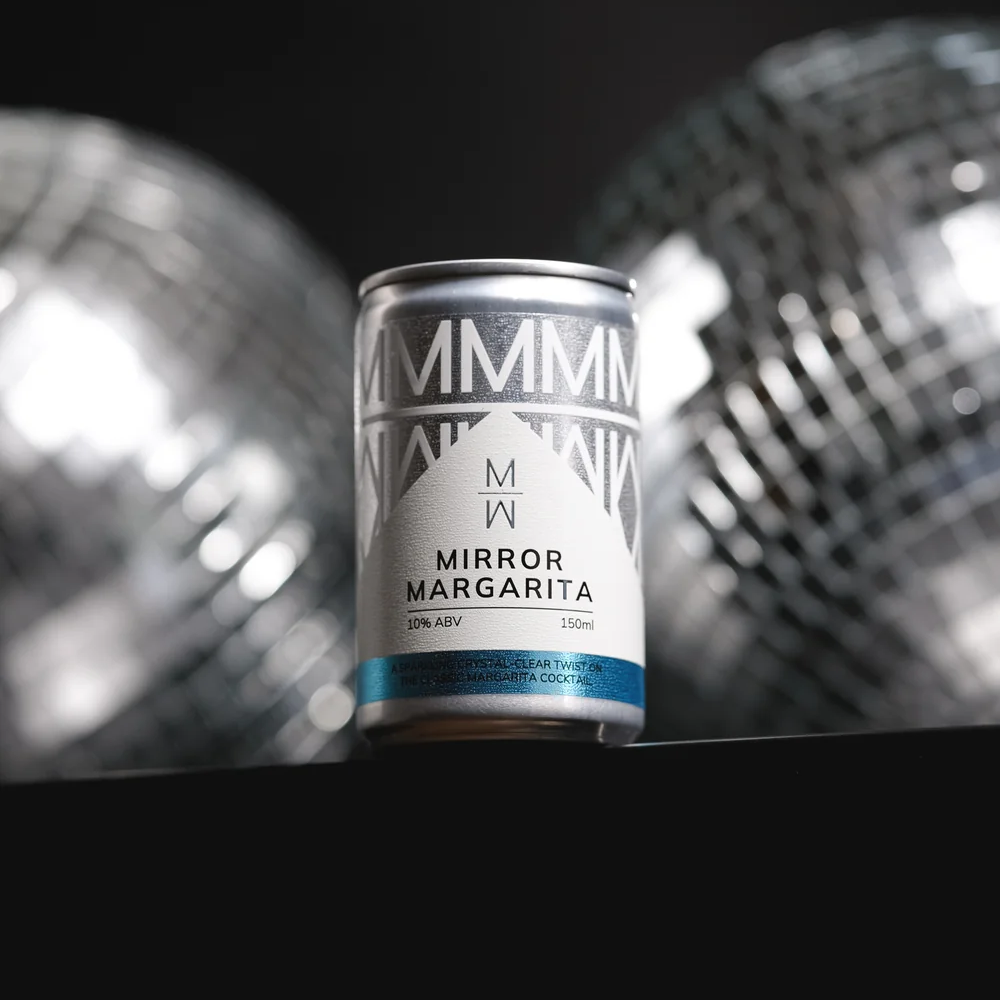
Mirror Margarita didn't get a national Sainsbury's listing because of a great ad campaign. It got there because the product had already earned trust in the right rooms, with the right people, over time. The on-trade did the commercial groundwork.
The question isn't whether to invest in the on-trade. It's how to be more strategic about where and why.
THREE BRANDS THAT GOT IT RIGHT, AND WHAT THEY HAVE IN COMMON
It's one thing to talk about serve strategy in the abstract. It's another to look at the brands that have built it into something genuinely transformative.
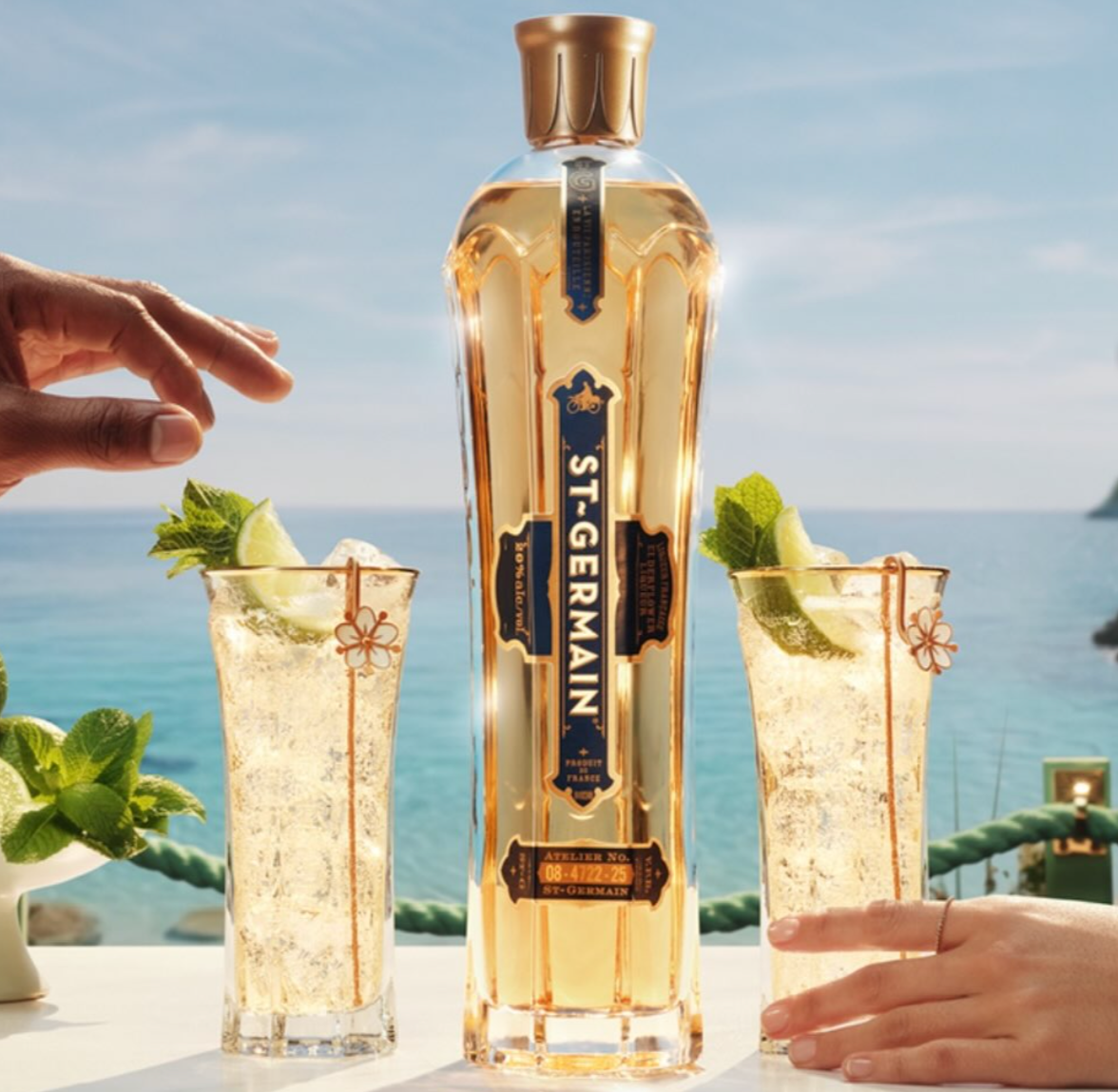
Take St-Germain. The Hugo Spritz didn't happen by accident. It happened because a brand with a distinctive liquid found a cultural moment, built a serve around it with real clarity and activated it consistently across the on-trade at scale. The result? St-Germain has become one of the fastest growing brands in the Bacardi portfolio. Not because the product changed, but because the serve became a commercial vehicle.
Mirror Margarita tells a different but equally instructive story. Emma Murphy and Deano Moncrieffe built a signature serve at Hacha, their agave bar in Dalston. It won Cocktail of the Year. It earned real credibility in the on-trade. And then it became a nationally listed RTD in Sainsbury's. The journey from bar to basket didn't happen in spite of the serve strategy. It happened because of it. The on-trade credibility was the commercial launchpad.
Then there's Soho House and the Picante. A serve that became so synonymous with the brand and its venues that it's now ordered globally, by name, by guests who've come to associate it with a very specific feeling. That's not a menu item. That's a brand asset.
What these three have in common is worth paying attention to. They all started with a clear sense of what they wanted the serve to do, not just how they wanted it to taste. They found the right moment, the right channel and the right partners. And they committed.
WHAT A COMMERCIAL SERVE STRATEGY ACTUALLY LOOKS LIKE
So what does it mean, in practice, to approach the serve as a commercial tool rather than a creative one?
It starts with clarity on the job to be done. A serve designed to introduce a brand to a new audience looks very different from one designed to deepen loyalty among existing drinkers. A serve built for the on-trade needs different thinking from one destined for a retail shelf or a DTC bundle. The commercial intent should shape the creative, not the other way around.
It requires channel thinking from day one. Where will this serve live? Who will make it? Who will order it, and why? What does it need to say about the brand in that context? A serve that works beautifully in a high-end cocktail bar may need significant adaptation to travel into a pub, a supermarket or someone's kitchen, and the brands that understand that build the flexibility in early.
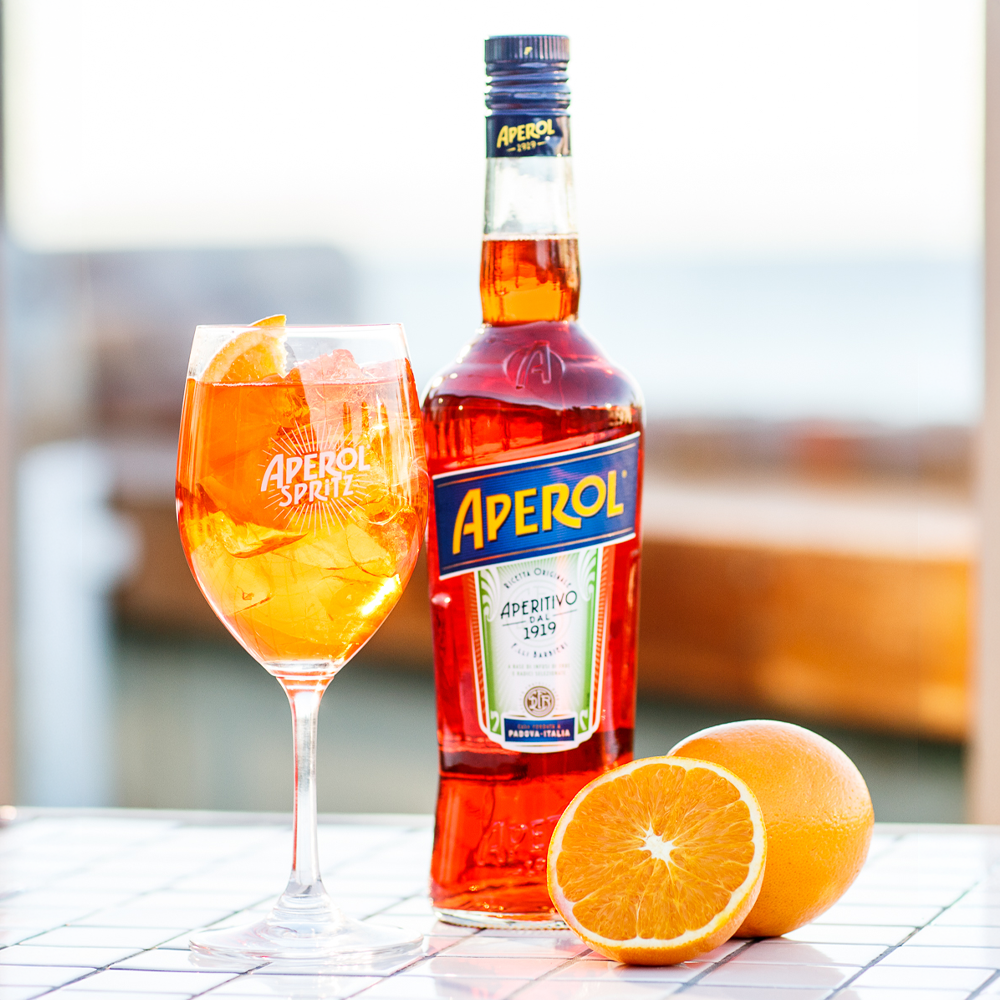
It demands consistency and commitment. One of the most persistent mistakes in serve strategy is treating it as a seasonal activation rather than a long-term brand-building tool. The Aperol Spritz didn't become a cultural institution through one clever summer campaign. It got there through decades of consistent presence, consistent execution and consistent investment in the moment. When something works, the instinct to replace it with something new is often the single most expensive mistake a brand can make.
And it requires honesty about what success looks like. Not just volume. Not just impressions. But real commercial metrics: trial rates, repeat purchase, rate of sale, listing growth, brand health scores over time.
THE OPPORTUNITY RIGHT NOW IS BIGGER THAN IT LOOKS
There's an irony at the heart of the current drinks landscape. At precisely the moment when consumers are becoming more intentional, more selective and more emotionally driven in how they spend on drinks, many brands are pulling back from the kind of serve investment that builds that emotional connection.
That creates an opportunity. The brands willing to think commercially about their serve strategy right now, when others are retreating, will be the ones that own the cultural moments of the next five years. The serve is not a garnish. It's not a finishing touch. It's one of the most powerful, flexible and cost-effective commercial tools available to drinks brands today.
The question is whether your brand is using it like one.
And it requires honesty about what success looks like. Not just volume. Not just impressions. But real commercial metrics: trial rates, repeat purchase, rate of sale, listing growth, brand health scores over time.
JOIN US FOR THE POWER OF THE SERVE 3.0
On Thursday 5th November, 1–2:30pm GMT, Wonderworks is hosting the third instalment of The Power of the Serve, a WonderNETwork webinar bringing together brand leaders, founders and operators to explore how the serve is being used as a commercial weapon across the drinks industry.
Co-hosted by Shervene Blackburn, Global Director of Advocacy and Experience at Bacardi, and featuring speakers from St-Germain, Mirror Margarita, Soho House and Wonderworks, this is a practical session for anyone with serve strategy on their agenda.
We hope to see you there!