
WHY IKEA’S FRAKTA CAMPAIGN FEELS SO SMART
What brands can learn from one simple idea
At Wonderworks, we spend a lot of time thinking about the ideas that stick. Not just campaigns that grab attention for five seconds, but the ones that create a feeling people want to keep engaging with.
Recently, there’s been a lot of praise for IKEA’s latest OOH series using the iconic blue FRAKTA bag as a framing device. And fair enough. There’s a lot to love.
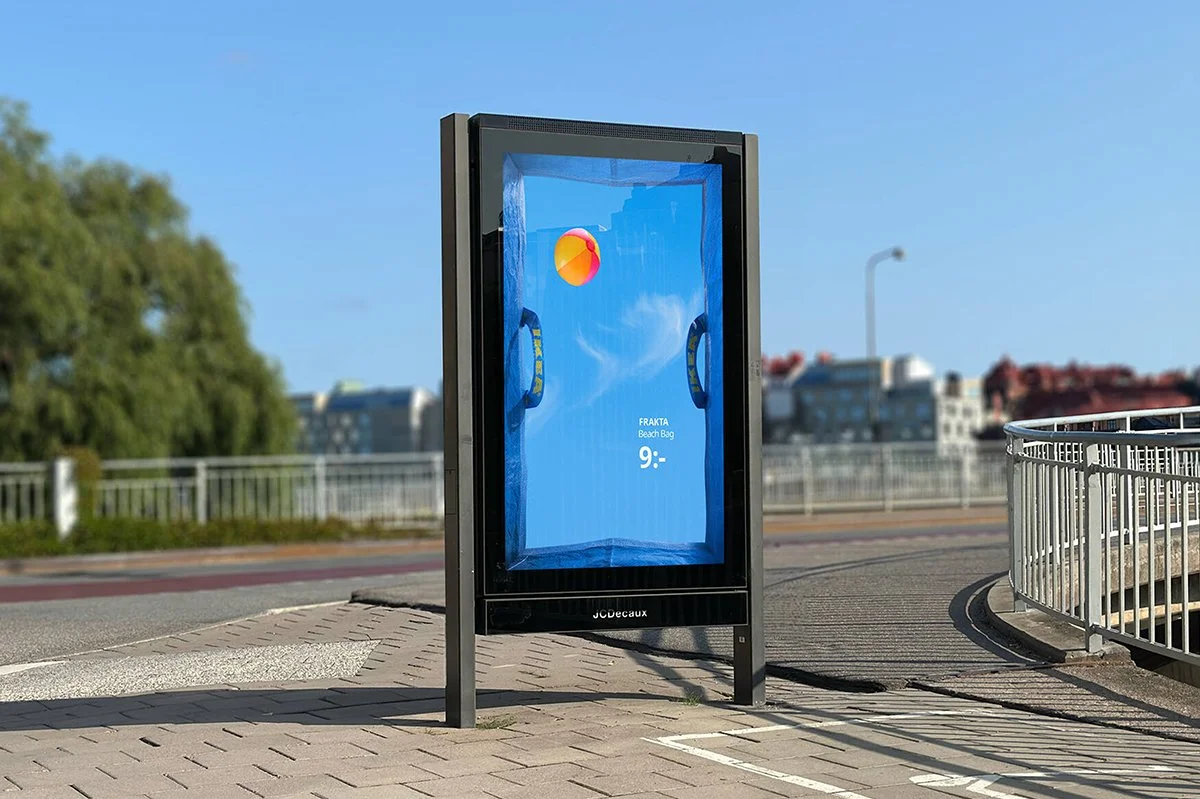
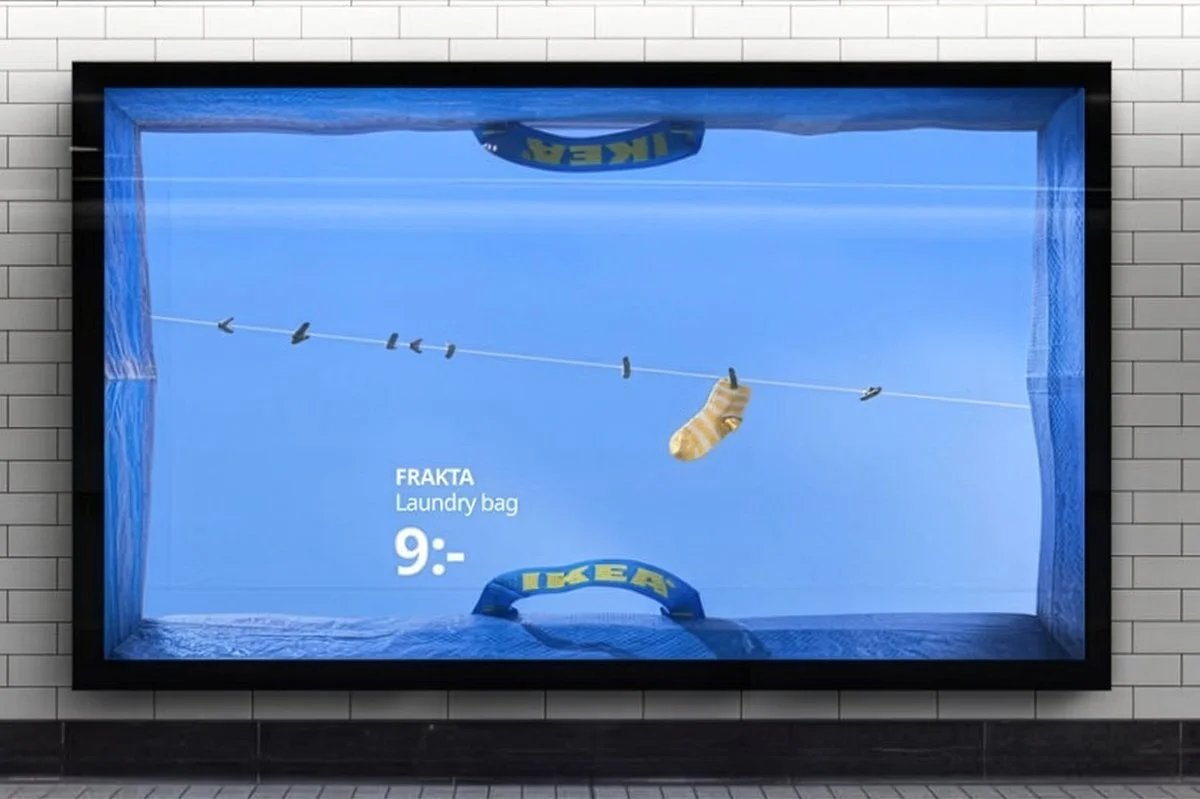
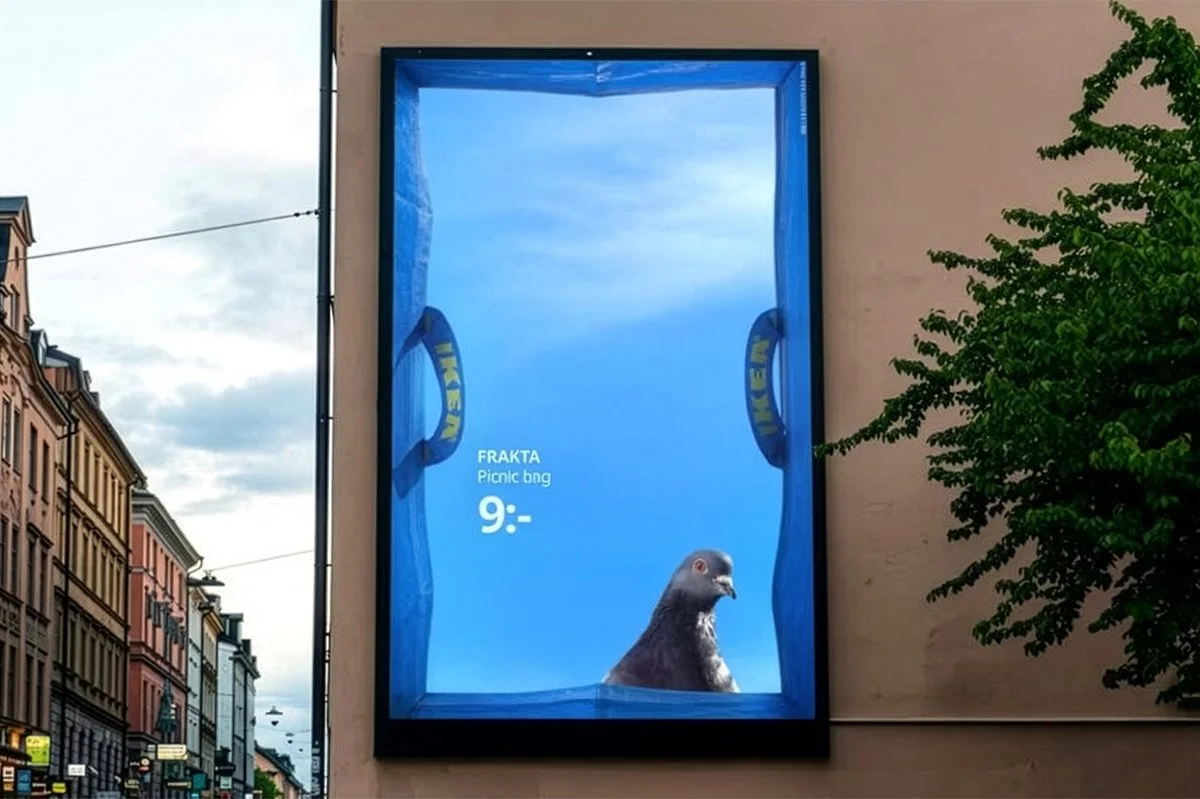
The setup is incredibly simple. Every ad is viewed from inside the bag itself. A pigeon turns it into a picnic bag. A washing line turns it into a laundry bag. An aeroplane transforms it into a carry-on. The world changes, but the frame stays consistent.
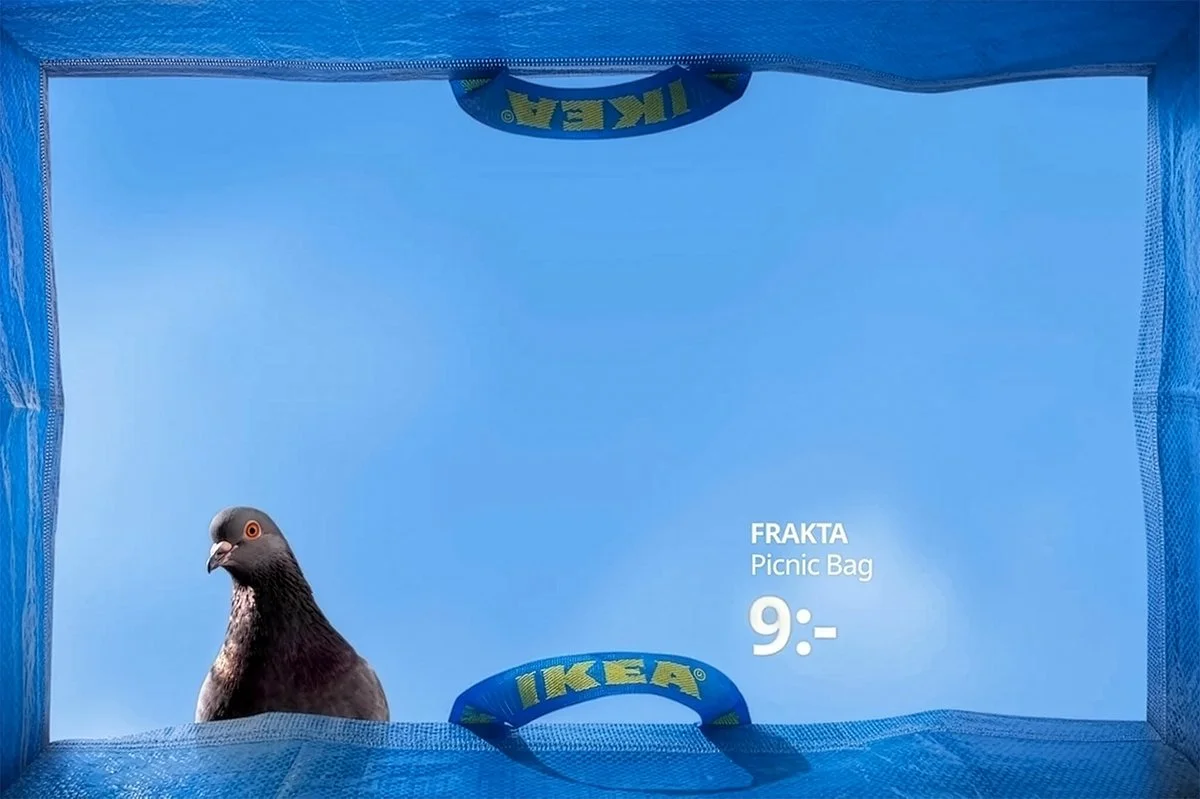
That consistency is exactly what makes the campaign work so well.
The brand remains unmistakably visible without ever feeling heavy-handed. The perspective forces the creative to stay playful. More importantly, the whole setup creates a clear rule for the campaign while leaving loads of room to explore creatively.
That balance is hard to achieve.
What makes the work especially interesting is that the campaign taps into something people already feel about the bag. The FRAKTA has quietly become the accidental hero of the IKEA experience. It’s one of those strange products people develop genuine affection for. Almost everyone has one somewhere. They get reused, repurposed and dragged through life far beyond their original purpose.
The campaign recognises that shared cultural behaviour and simply runs with it.
But what we keep thinking about is how much further IKEA could take the idea.
The same framing device could easily evolve into all the obvious cheesy life moments. First flats. Baby rooms. Moving days. University. Breakups. Airport runs. IKEA and the FRAKTA becoming this oddly familiar constant quietly supporting people through life.
And maybe that’s the clever part.
The campaign hints at that bigger emotional territory without ever fully spelling it out. Instead, it lets the simpler, more immediately attention-grabbing executions seed the idea subconsciously: IKEA is for life.
Then it trusts your brain to connect the dots itself.
That restraint is something a lot of brands struggle with.
Too often, campaigns feel the need to explain every layer of meaning directly to audiences. But some of the strongest creative work leaves enough space for participation. People enjoy completing the thought themselves. It makes the idea feel smarter, more personal and more memorable.
That’s also why campaigns with strong creative boundaries tend to endure longer.
More than anything, we respect ideas like this. Campaigns where the boundaries are so well considered that they become the thing unlocking creativity rather than limiting it.
You always know a good idea when you feel excited for all the ways you can play with it.
And we’re seeing more brands lean into this kind of thinking across categories.
In the drinks industry, Guinness continues to master recognisable creative frameworks through campaigns that consistently reinterpret the ritual and visual language of the pint without losing brand distinctiveness. Their recent “A Lovely Day” work proves how repeatable brand worlds can still feel fresh when the core creative platform is strong.
Likewise, Absolut Vodka has spent decades demonstrating the power of creative consistency. Even now, the brand’s bottle silhouette remains one of the most flexible and recognisable framing devices in advertising, allowing campaigns to evolve endlessly while staying unmistakably Absolut.
Outside of drinks, Spotify Wrapped remains one of the clearest modern examples of creative constraints fuelling participation. The framework barely changes year to year, but audiences actively look forward to seeing how the format evolves and what personal stories emerge from it.
That’s the difference between campaigns built around one-off executions and campaigns built around fertile creative territory.
For a creative drinks agency, this is where the real opportunity lies. Not simply creating campaigns that look good once, but building ideas with enough elasticity to evolve over time while remaining instantly recognisable.
The best creative strategies often aren’t the loudest or most complicated. Sometimes they’re just built on one really well-considered rule.
And IKEA’s FRAKTA campaign is a brilliant reminder of that.
Now we’re craving meatballs…
Inspired by our Creative Strategist, Dom Stancombe’s Weekly Rambles
Need help planning or executing your next creative campaign? Get in touch with us today