
COCA-COLA UNVEILS ITS DESIGN SYSTEM FOR THE 2026 WORLD CUP
Every global tournament brings a surge of brand activity. But every now and then, something cuts through in a quieter, more confident way. At Wonderworks, we spend a lot of time thinking about what makes a distinctive brand asset truly work. Coca-Cola’s World Cup 2026 creative feels like one of those moments.
How do you fit the world into a square?
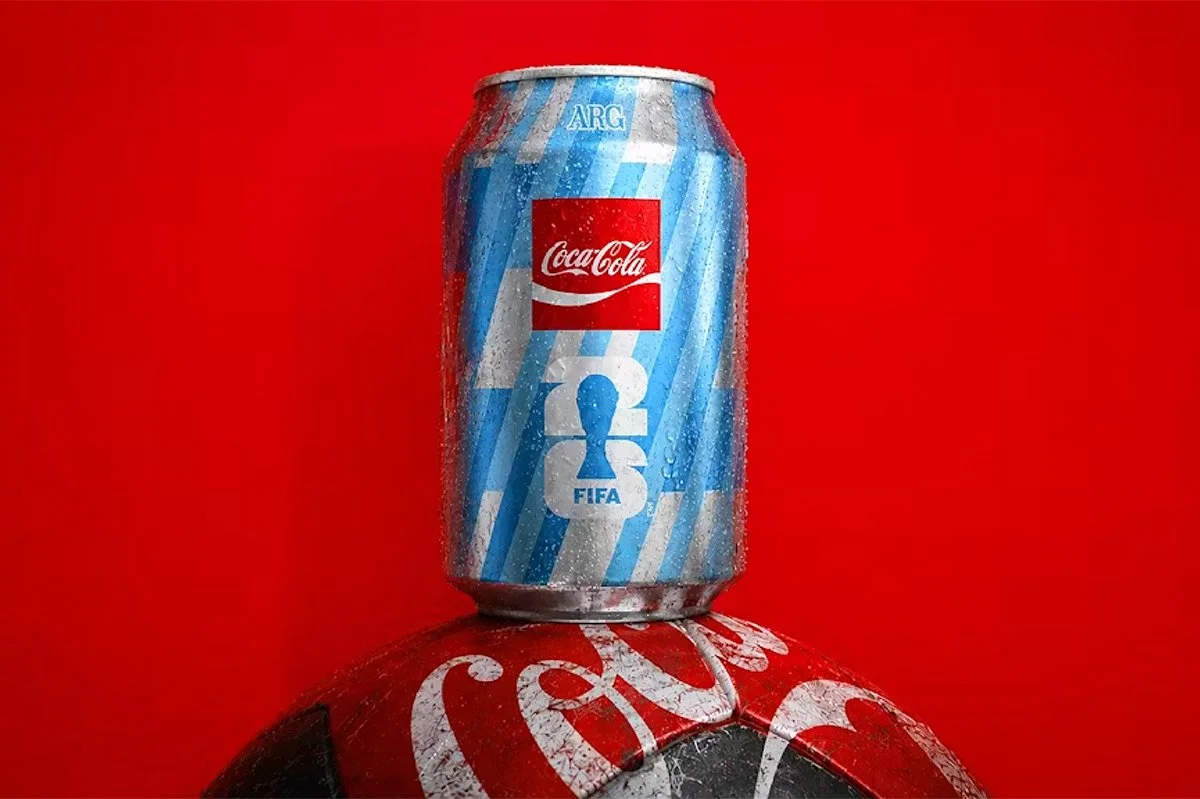
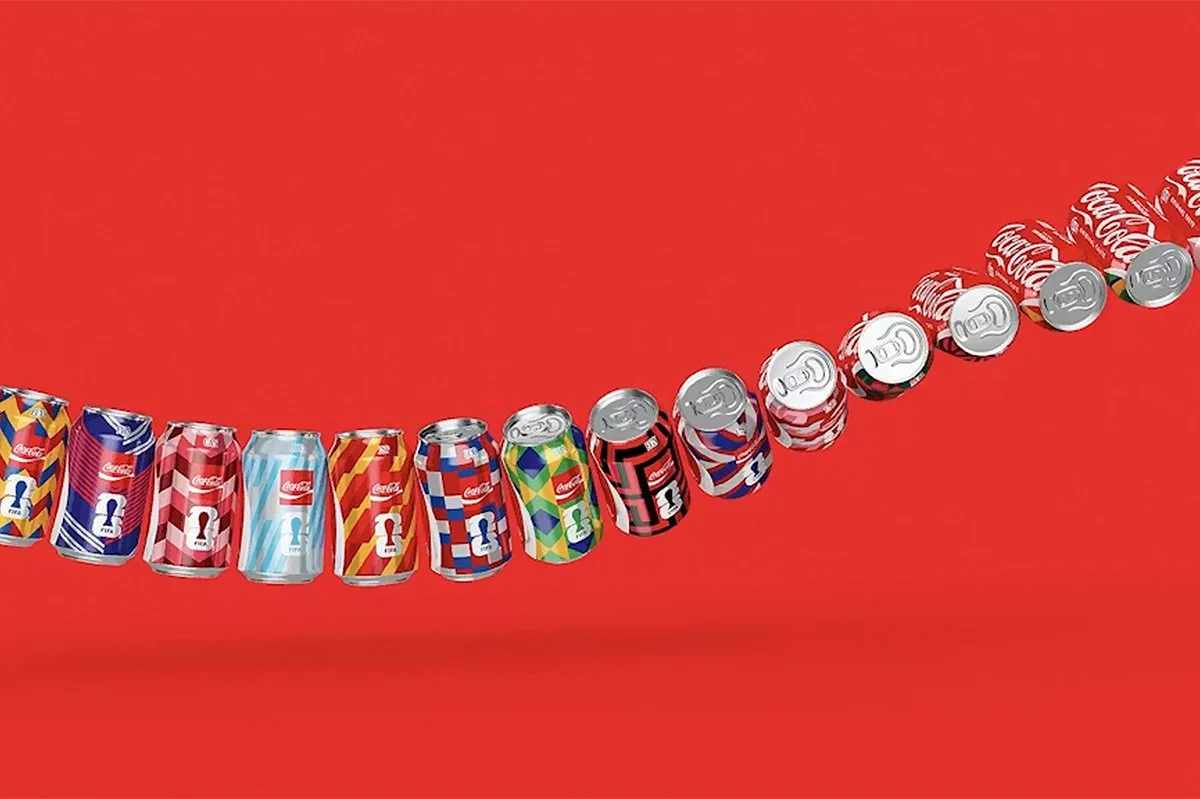
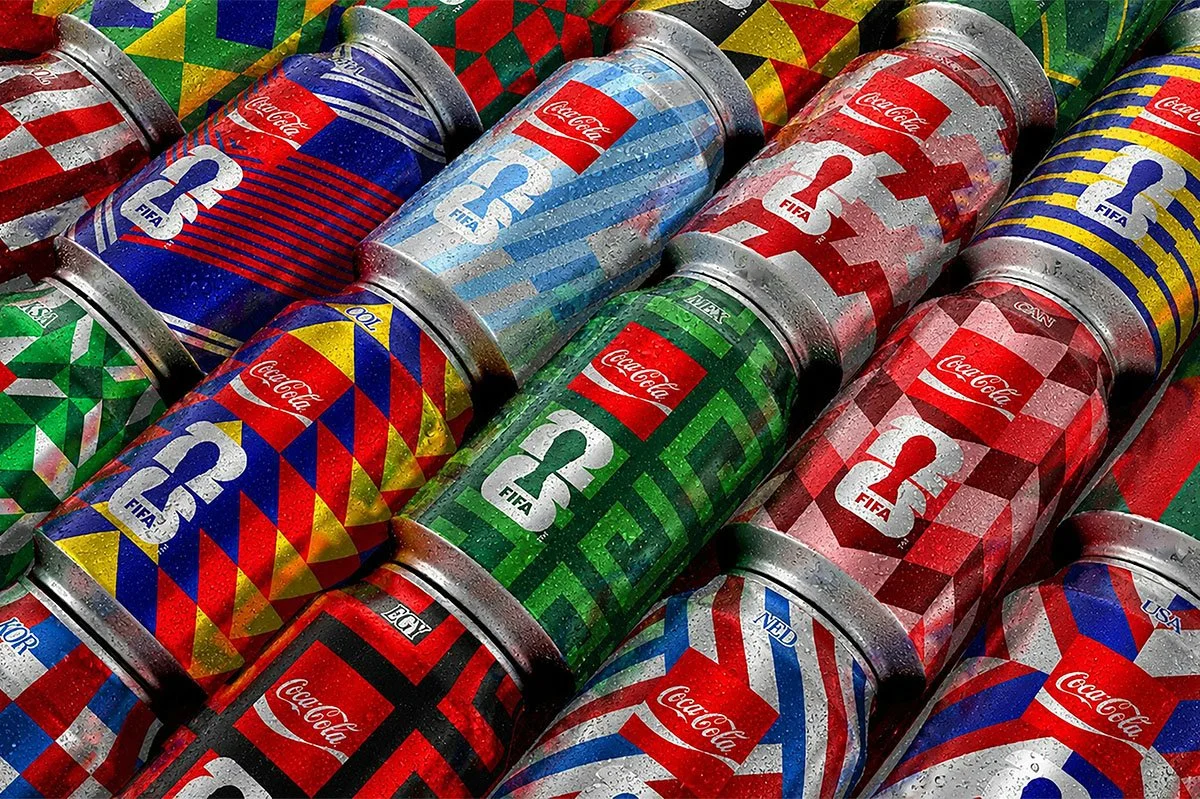
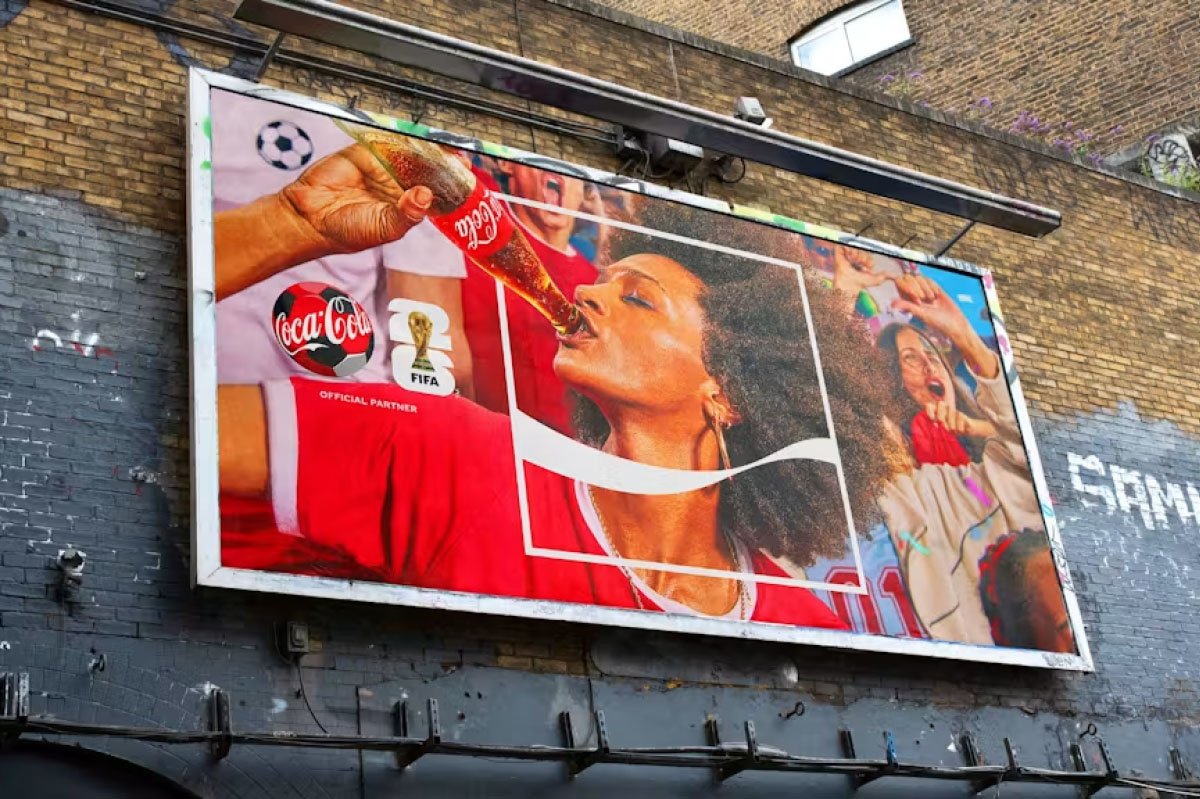
Built around the Arden Square, introduced in 1969, the system transforms this iconic asset into 18 patterns inspired by the colours and jerseys of competing nations. Developed by @togetherwearegolden, it’s a simple idea, executed with clarity and precision.
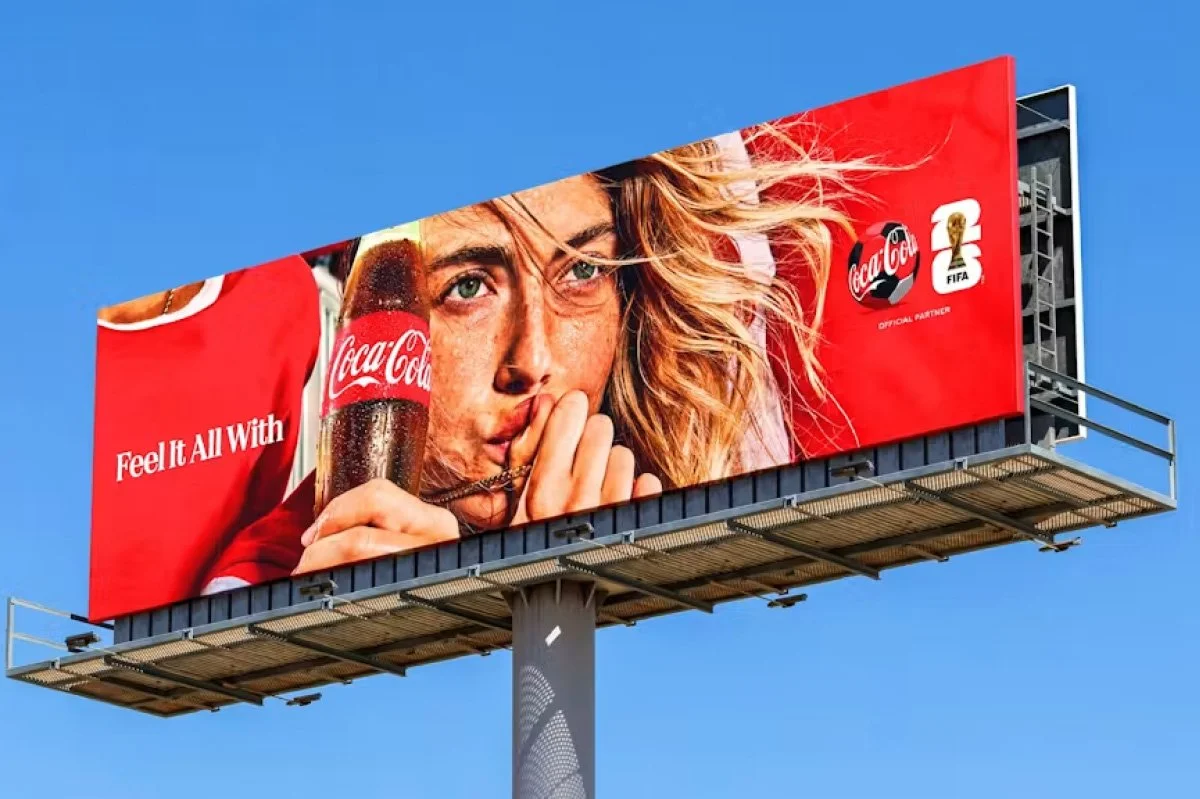
The flexible visual language is paired with new photography by @guyaroch and @annapalma, extending across collectible packaging, illustration, digital experiences, retail environments, motion, and live activations. For any drinks branding agency, it’s a reminder that the strongest move is not always to create something new, but to reimagine what already exists.
BUILDING A DBA THAT ACTUALLY WORKS
There’s a difference between having a distinctive brand asset and building one that truly works.
What makes this system so effective is how a single asset becomes a flexible visual language. It holds together across packaging, photography, motion, digital, retail, and live environments without losing clarity.
The Arden Square is not treated as a static graphic. It’s designed to move, flex, and carry meaning. That’s what elevates it into a true DBA within the drinks category.
Across packaging, the square becomes a framework for expression. It holds colour, pattern, and cultural cues drawn from football shirts and national identity, while always resolving back to Coca-Cola. The balance between variation and consistency is handled with care, where many systems fall short.
More broadly, the work shows how a well-built DBA drives coherence at scale. From retail to digital to live brand activation, the same visual logic applies. It adapts without fragmenting.
The system doesn’t try to do too much. It gives the asset room to breathe, which in turn strengthens recognition.
For any drinks marketing agency, that’s the challenge. Not just creating something distinctive, but ensuring it works everywhere the brand shows up.
PHOTOGRAPHY THAT BRINGS THE SYSTEM TO LIFE
There’s a clear sense of energy and proximity running through the imagery.
The photography leans into detail. Tight crops, layered styling, and flashes of metallic gold create a feeling of immediacy, while the product is integrated naturally into the moment.
The Arden Square doesn’t just frame the visuals. It becomes part of them.
Thoughtful touches, from gold football necklaces to subtle graphic elements, help connect the imagery back to the wider system. The brand colours feel embedded rather than applied, reinforcing the sense of cohesion.
Crucially, it reflects how people engage with the category during a global moment like this. Not through static visuals, but through shared rituals and environments. The product is not the centrepiece. It’s part of the atmosphere.
A CLEAR DIRECTION FOR THE CATEGORY
Coca-Cola’s World Cup 2026 creative doesn’t try to reinvent the brand.
It reinforces it.
By building around a distinctive brand asset and allowing it to flex with confidence, the work achieves something more lasting than a campaign. It creates familiarity in new forms. Recognition without repetition. For those working across drinks branding and creative agencies, it’s a useful reminder.
The future of drinks branding isn’t about adding more. It’s about clarity.
Choosing the right assets. Shaping them into systems. Trusting them to carry meaning across every touchpoint. Because when a DBA truly works, the brand doesn’t need to explain itself. It’s already understood.
Written by Darren Ammar, Senior Creative at Wonderworks
At Wonderworks, we specialise in building distinctive identities for drinks brands and bringing their assets to life.
If you want to use your brand assets in a more distinctive way, let’s talk.