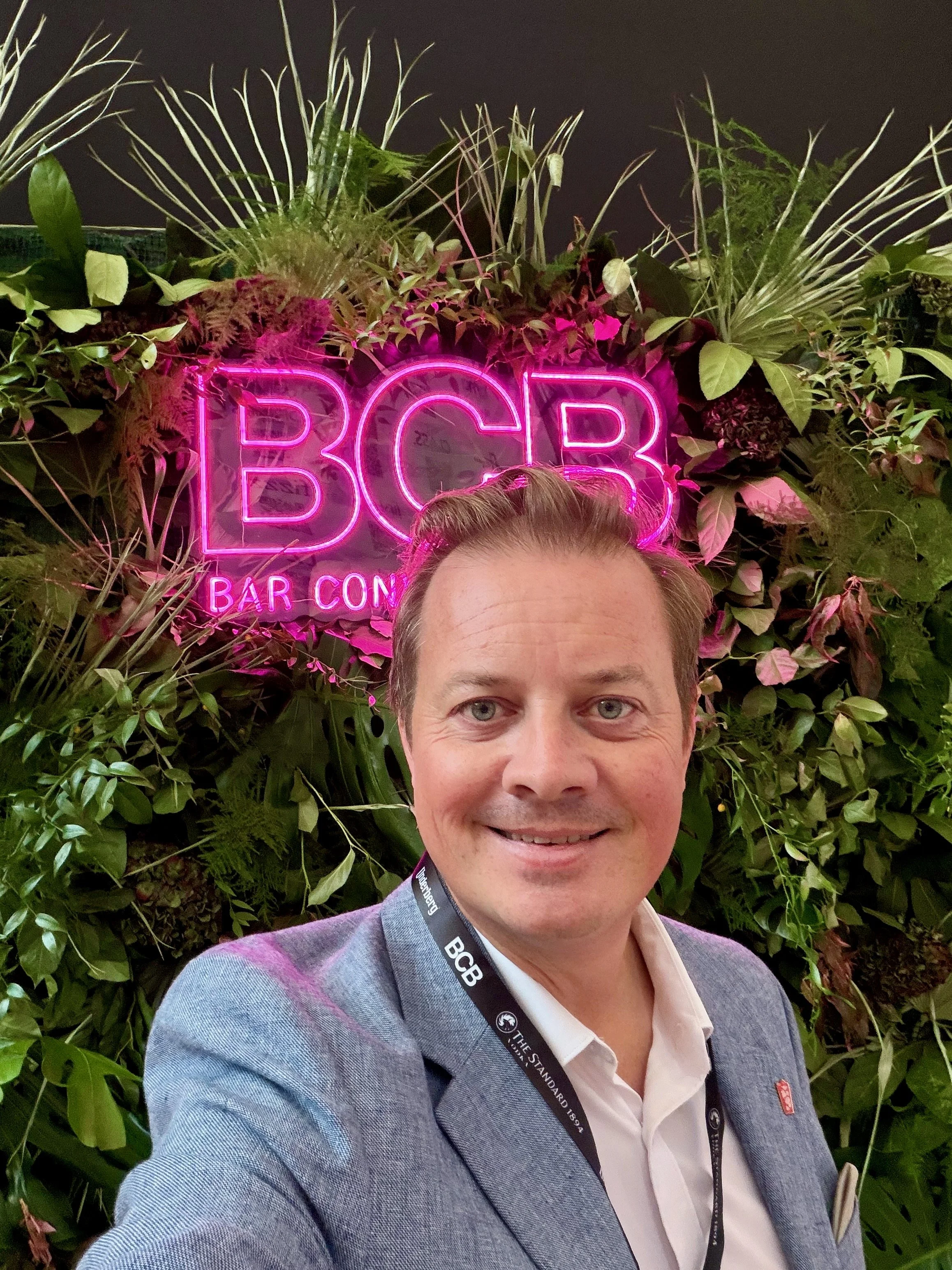
BCB BERLIN 2026: WHAT CAUGHT OUR EYE AND WHAT IT MATTERS
A WONDERWORKS PERSPECTIVE ON WHERE DRINKS GROWTH COULD COME NEXT
BCB Berlin 2026 showed an industry becoming more selective. The opportunity is not simply to create more innovation, but to give people better reasons to choose you brand.
BCB Berlin has always been a useful place to take the temperature of the drinks industry. Put hundreds of drinks brands, bartenders, founders, distributors and suppliers in one place and, beyond the launches and theatre, you start to see where attention is moving.
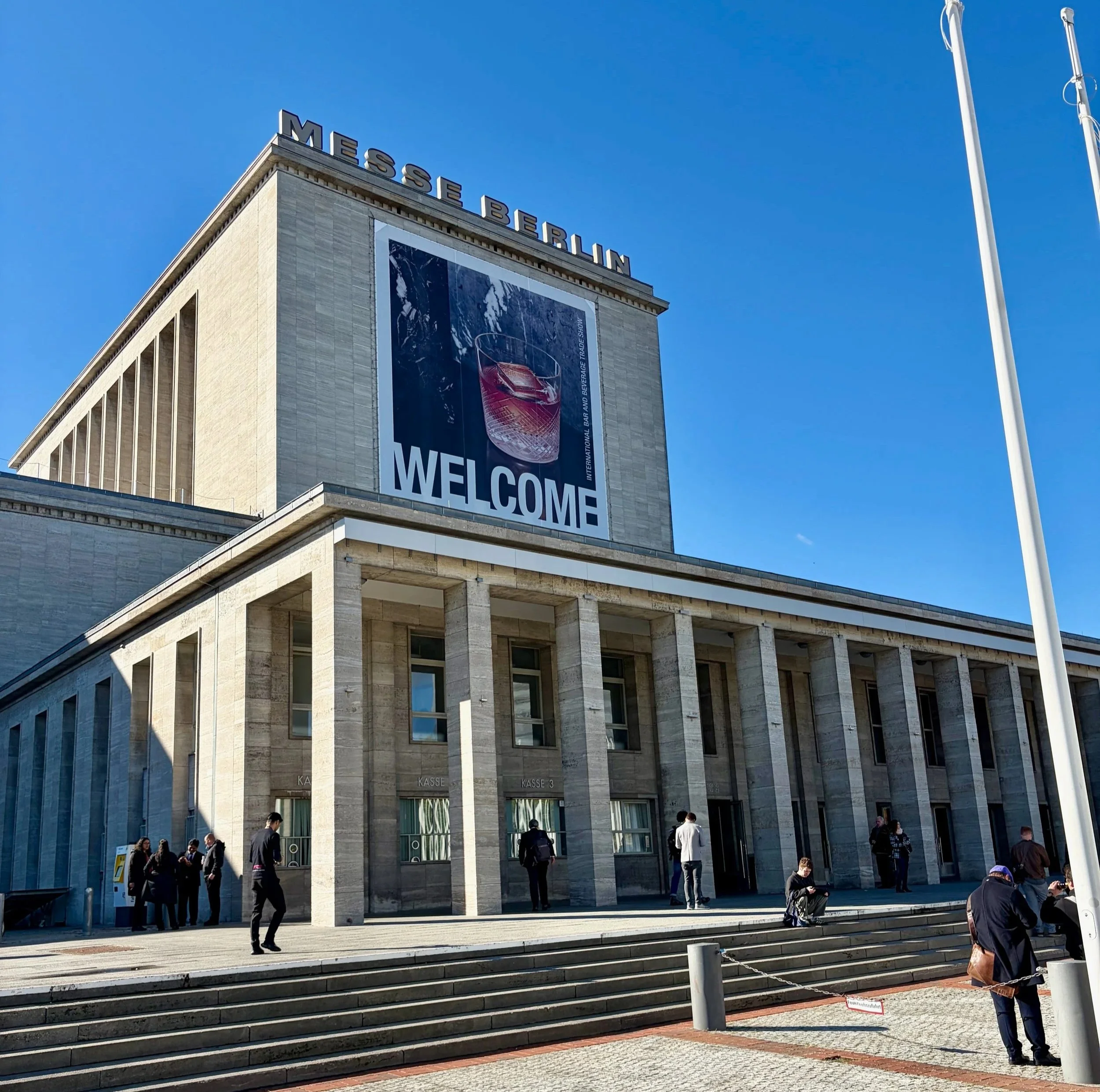
Walking the halls of BCB Berlin 2026, there was plenty that caught our eye. More RTD and ready-to-serve formats. Low and no everywhere. Smaller bottles. New flavour combinations. Clever bartender shortcuts. Some brilliant pieces of brand storytelling.
But the more interesting story was what connected them.
The drinks industry feels like it is becoming more selective.
Consumers are more selective about when and how they drink. Operators are thinking harder about what earns space behind the bar. Brands are under pressure to make investment work harder.
That changes the role of innovation.
The real question is what gives someone a reason to choose it.
Here are some of the things we noticed at BCB Berlin 2026, and what we think they tell us about where drinks growth could come next.
RTD is growing up
Ready-to-drink and ready-to-serve brands felt far more prevalent at BCB Berlin this year, but the interesting part was not simply seeing more cocktails in cans and bottles.
The category feels like it is entering a more demanding second act.
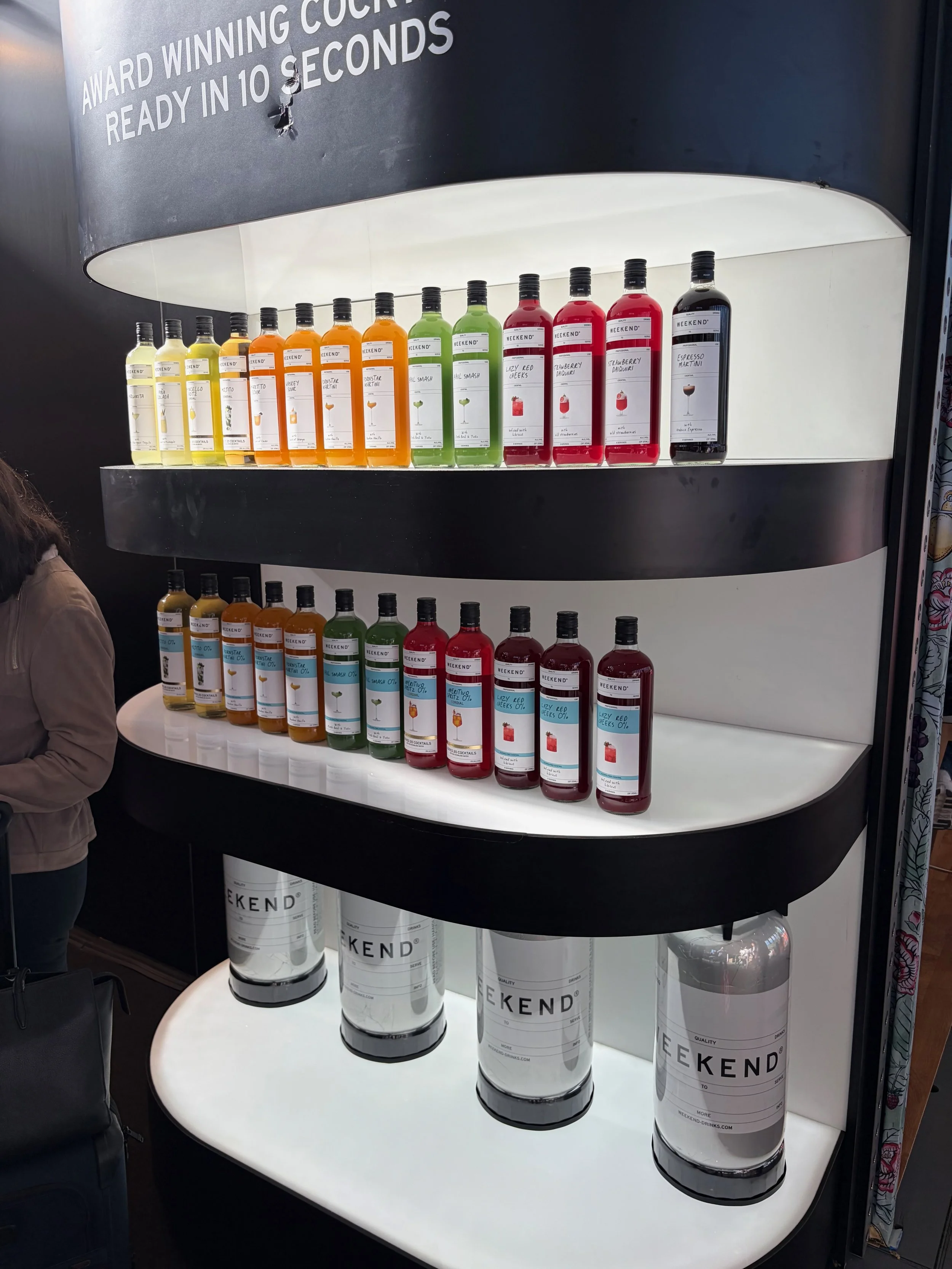
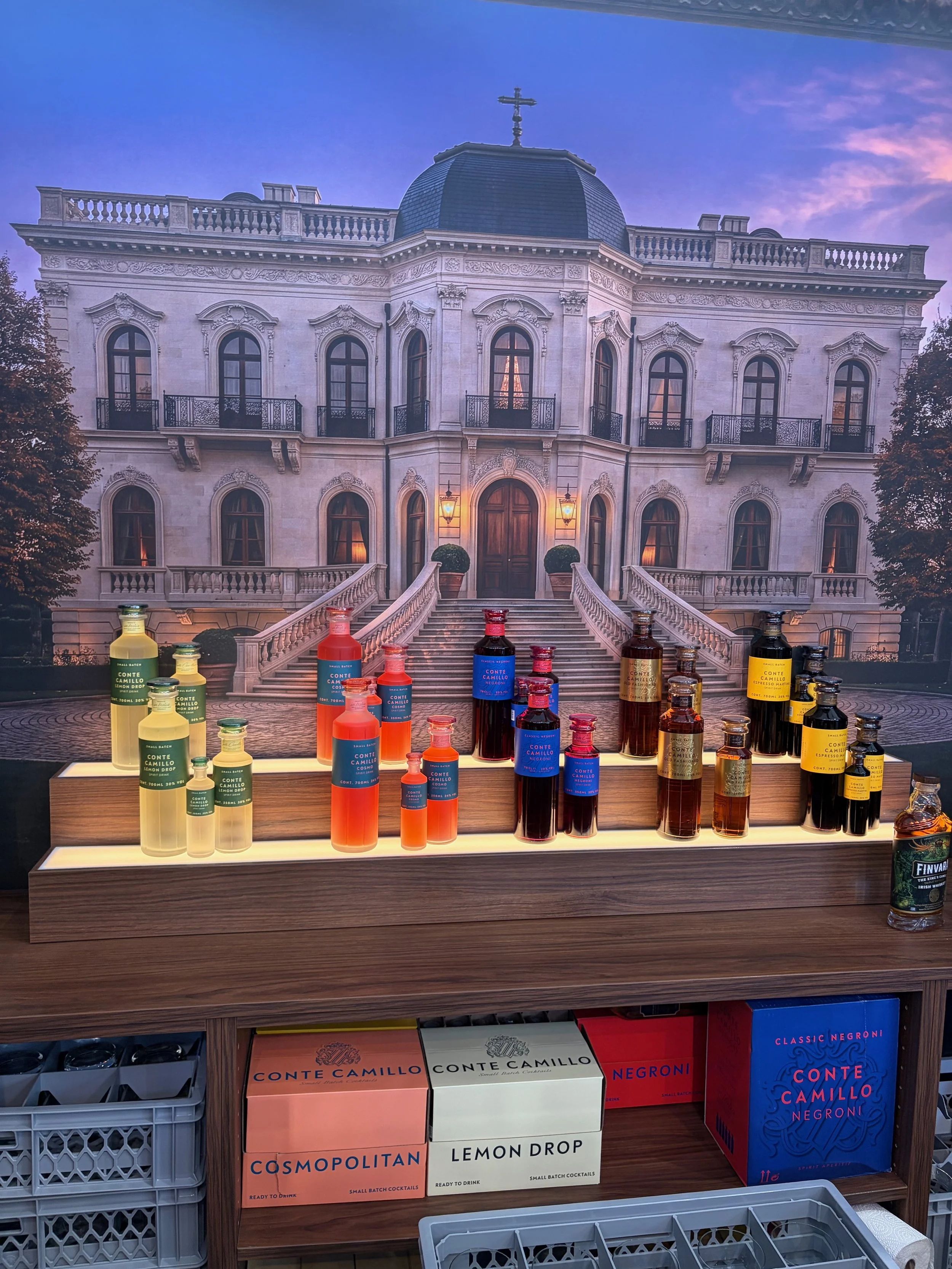
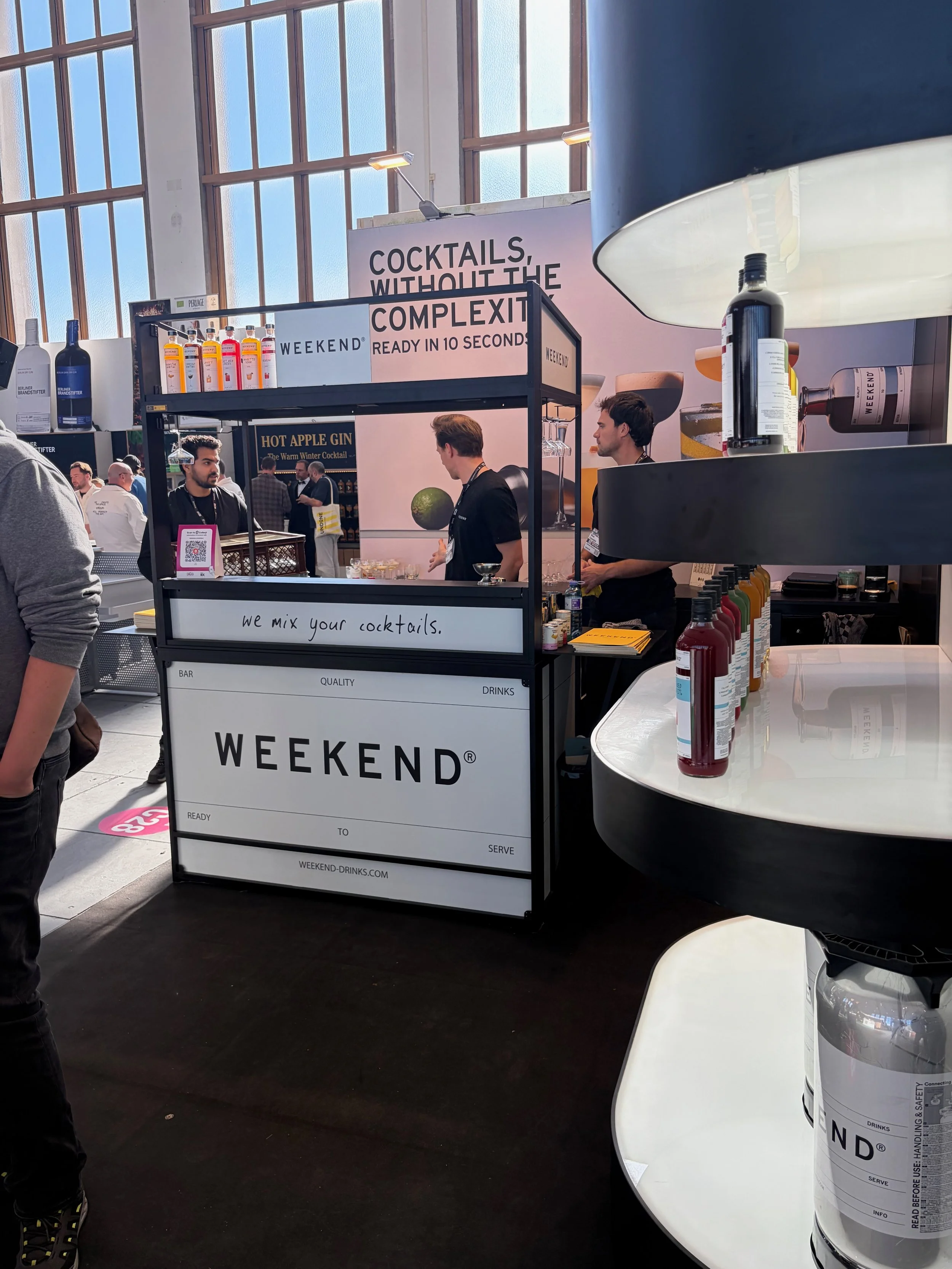
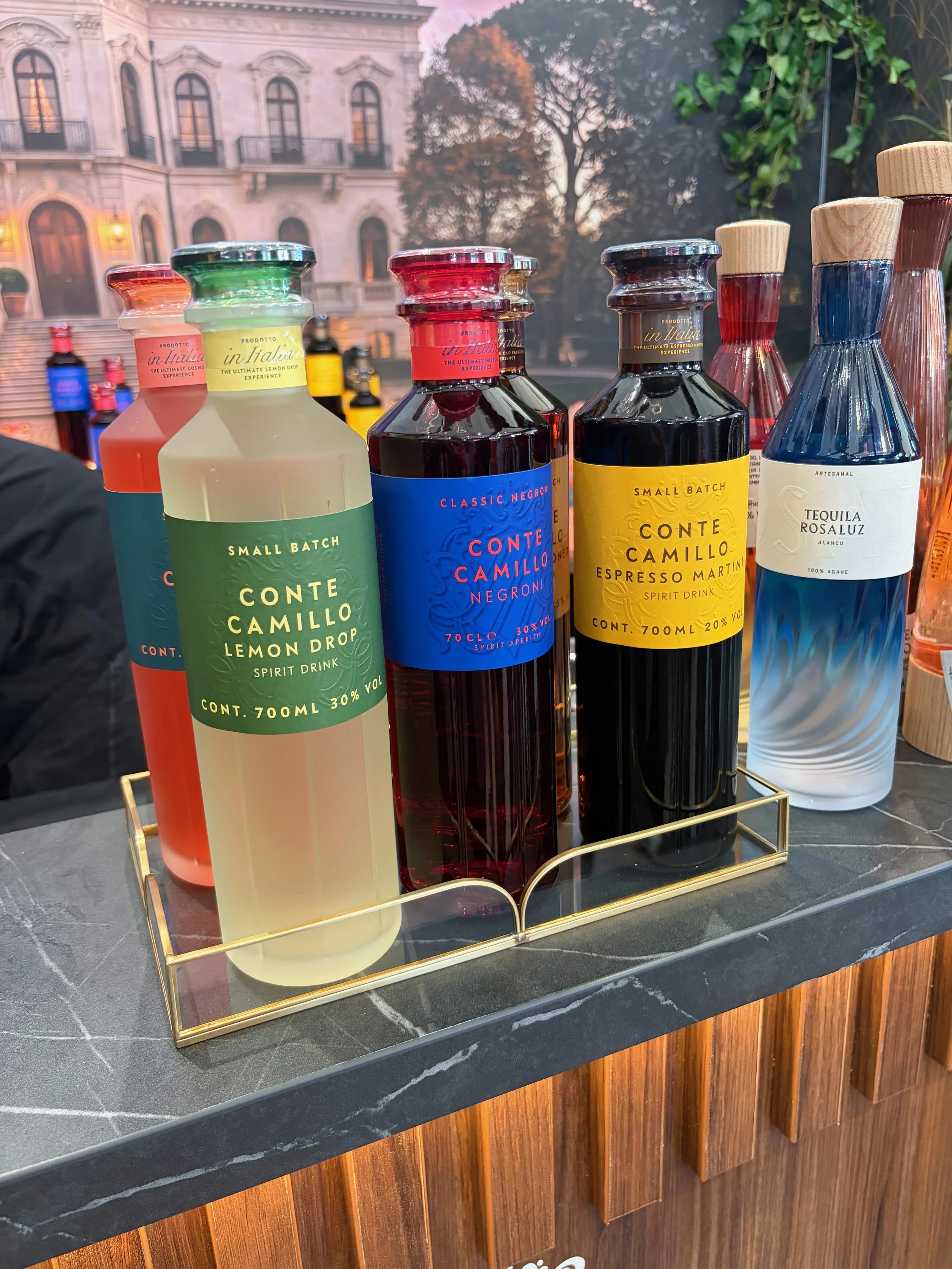
Weekend Cocktails was showing larger formats including keg solutions designed for hospitality. Conte Camillo, one of the brands that caught our attention last year with its brilliantly simple ‘ring for a Negroni’ activation, returned with four additions to its line-up: Espresso Martini, Cosmopolitan, Lemon Drop Martini and Old Fashioned.
Across the show, we saw the format stretching from individual serves into larger ready-to-serve and dispense solutions.
That matters because the easy innovation of putting a familiar cocktail into a convenient format is no longer enough. As RTD becomes more crowded, the more useful question is what job does the format actually do?
Does it improve speed and consistency behind the bar? Open a new occasion? Make a premium cocktail more accessible? Recruit people into the parent brand? Solve an operational problem for hospitality?
The wider category evidence supports that shift. RTDs remain one of the few areas of beverage alcohol showing volume growth, but the category is becoming more competitive. The opportunity is moving beyond liquid and flavour into occasion, format, channel and experience.
For us, that is where RTD gets interesting.
RTD is becoming an occasion and channel strategy, not simply a product format.
Moderation is becoming an experience question
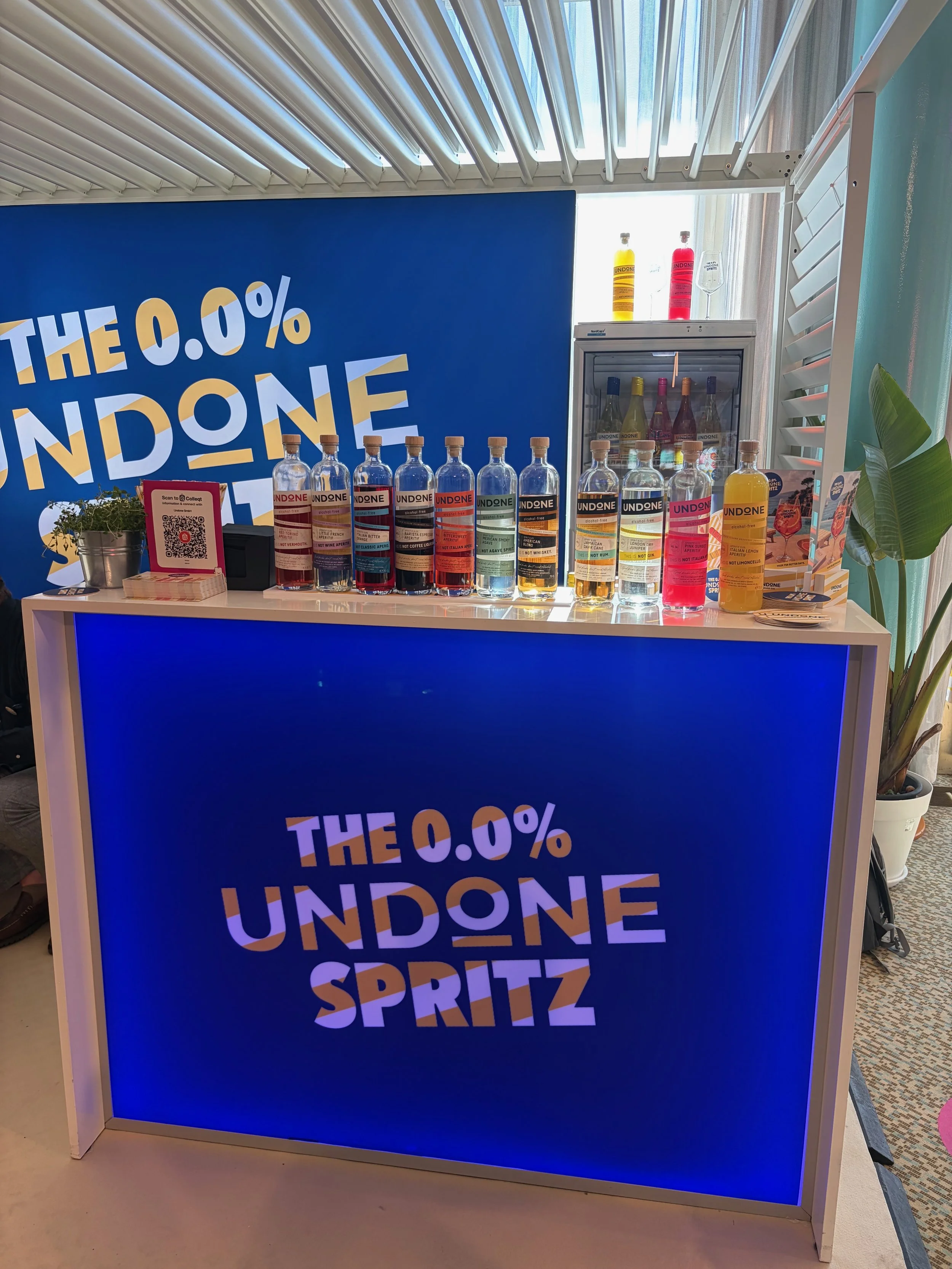
It was impossible to walk BCB Berlin 2026 without noticing the scale of low and no alcohol.
But what interested us was how broad that world is becoming.
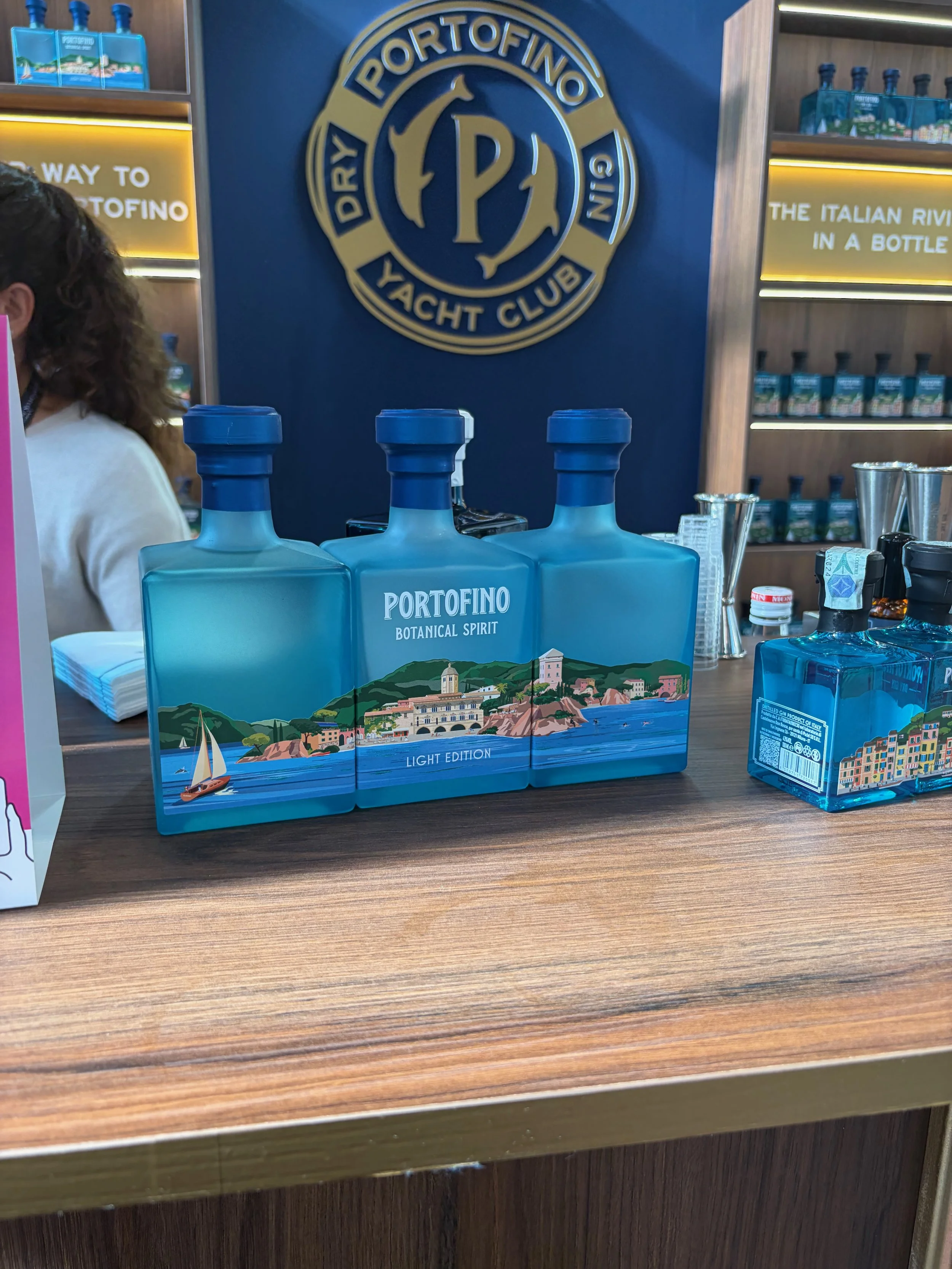
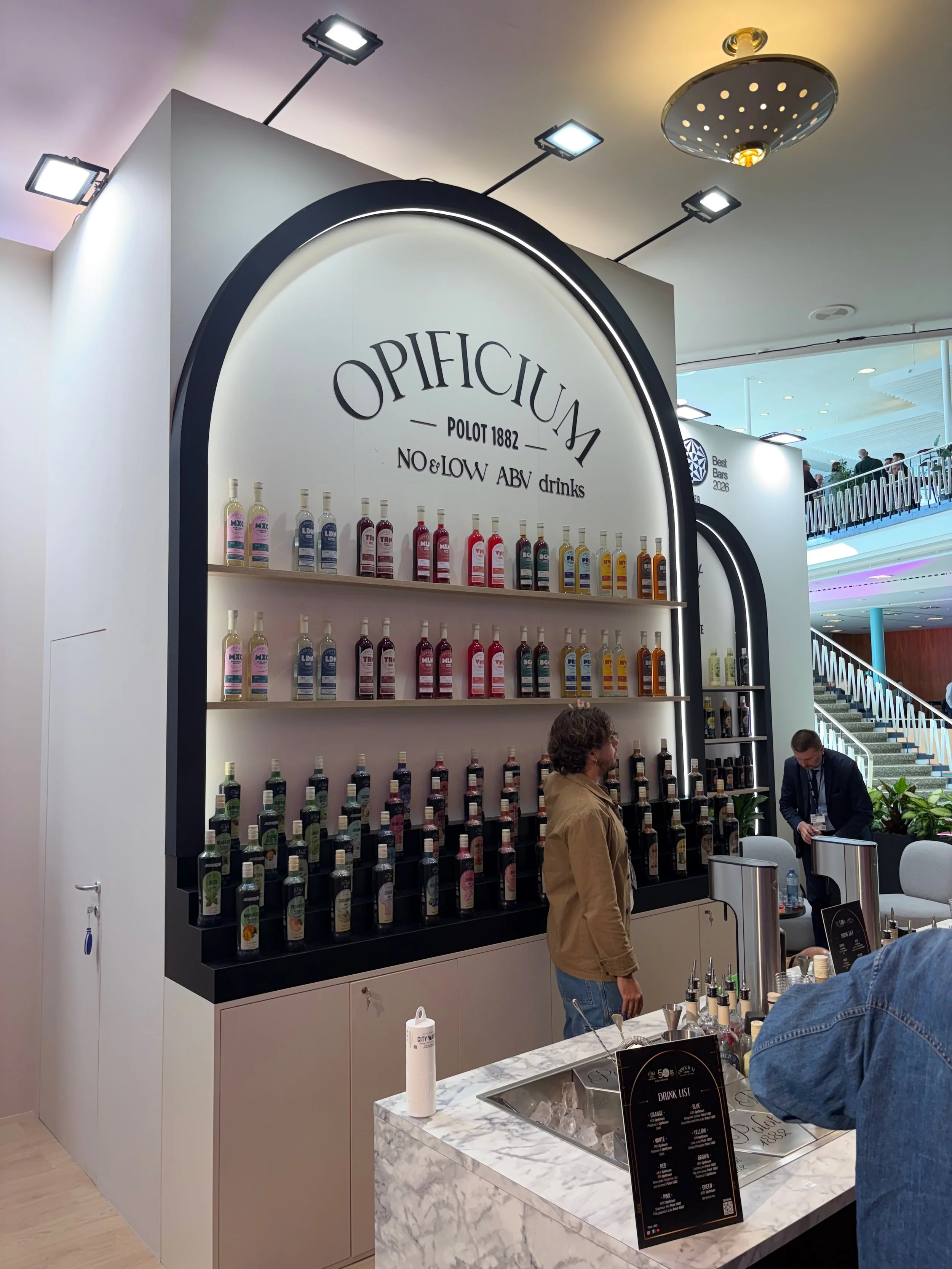
At one end, brands such as Portofino Gin were exploring lighter-strength propositions. At the other, brands including JNPR and Opificium were creating fully alcohol-free alternatives with increasingly confident liquids, identities and packaging.
Across the wider BCB programme, fermentation, flavour development and alcohol-free hospitality were also given significant attention.
The interesting shift is that moderation is gradually moving away from being defined by what has been removed.
Because moderation is not one behaviour.
Sometimes people want a full-strength drink. Sometimes they want something lighter. Sometimes they want no alcohol at all. The opportunity for drinks brands is to help people move between those choices without making one feel like the lesser experience.
That means the next challenge is not simply creating a 0.0% version of an existing spirit.
It is creating something people actively want to choose.
For brands, that brings flavour, ritual, serve, identity and occasion back into the conversation. Low and no needs the same creative attention that alcohol brands have spent decades applying to the drinking experience.
Smaller formats could change how people discover spirits
One of the quieter signals at BCB was the appearance of full-strength spirits in smaller formats.
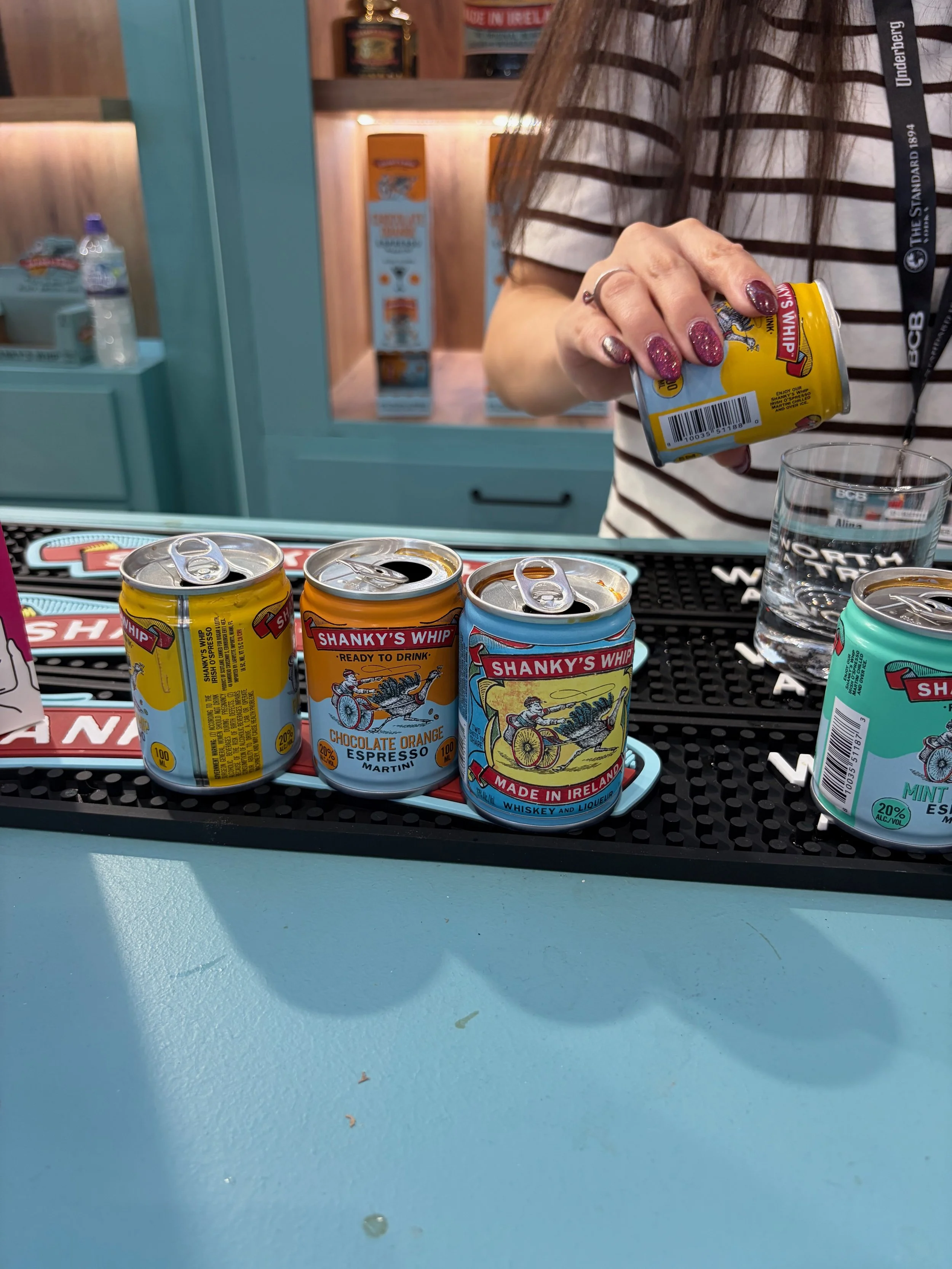
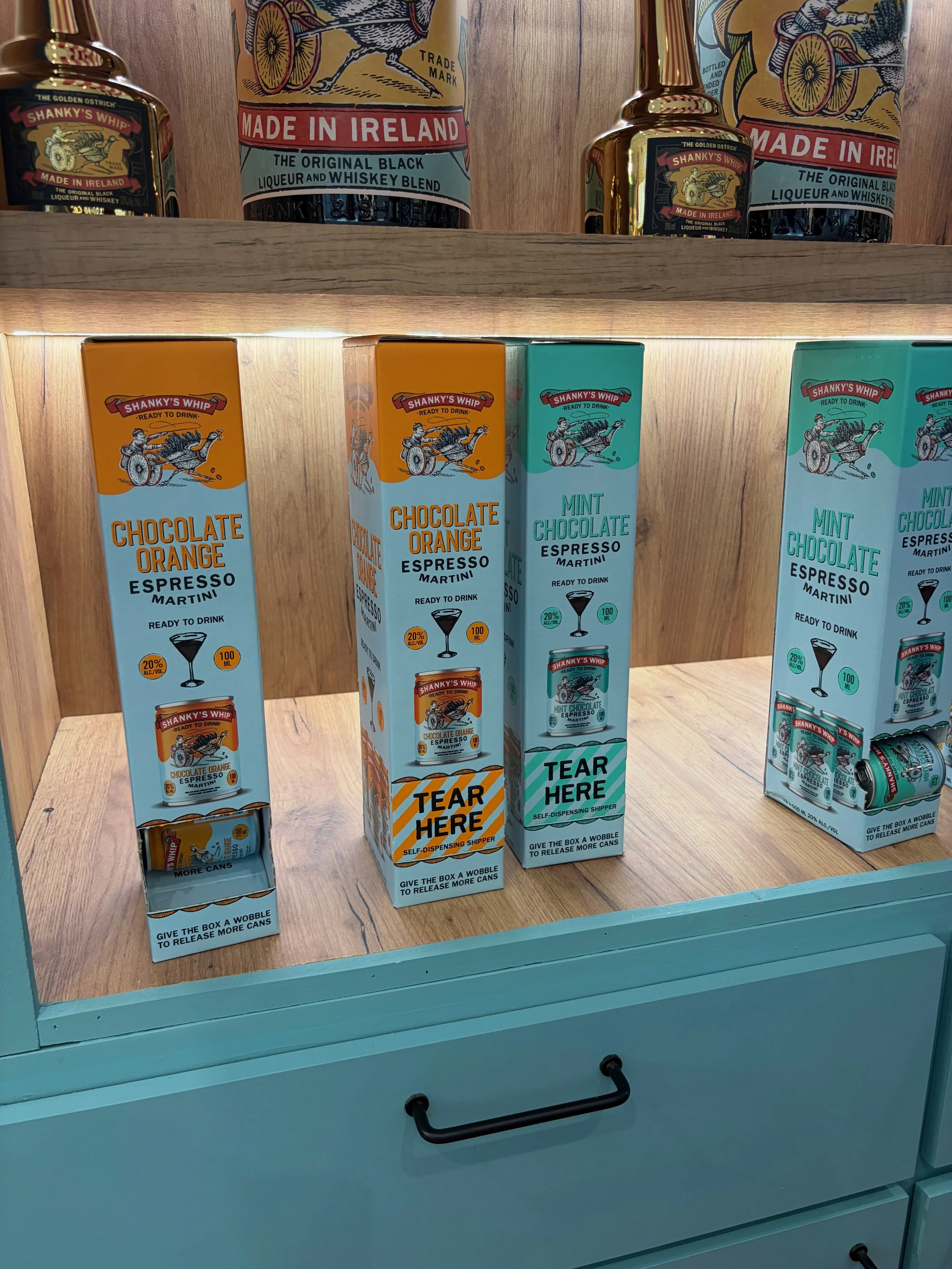
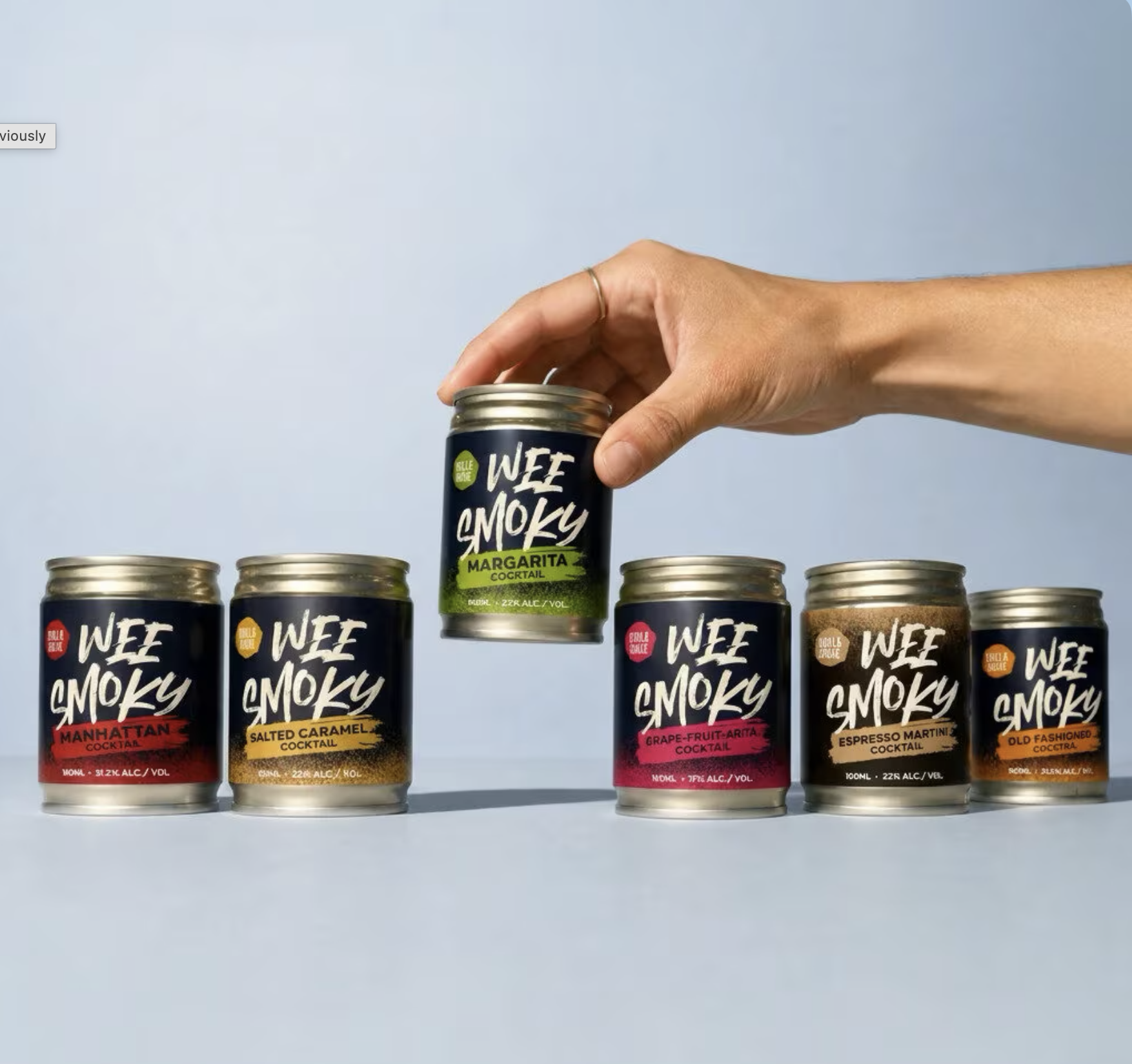
Brands including Wee Smoky and Shanky’s Whip were using smaller 200ml propositions and RTD formats to give consumers another way into the wider brand.
It would be easy to dismiss this as packaging innovation.
We think the more interesting question is what it does to recruitment.
If people are drinking more selectively, asking someone who is curious about a brand to immediately commit to a full bottle creates friction. Smaller formats can reduce that commitment and create a bridge between discovery, trial and a bigger purchase.
Suddenly the 200ml canned cocktail is not simply a smaller version of the main product.
It becomes an entry point into the brand.
That opens up a much bigger creative question. What is the best first experience of a premium spirit?
It might be a miniature. It might be an RTD. It might be a tasting. It might be a serve in a bar. It might be something we have not designed yet.
Thinking about recruitment as a journey rather than a pack size feels like fertile territory.
IN A CROWDED CATEGORY, STORIES NEED TO BECOME TANGIBLE
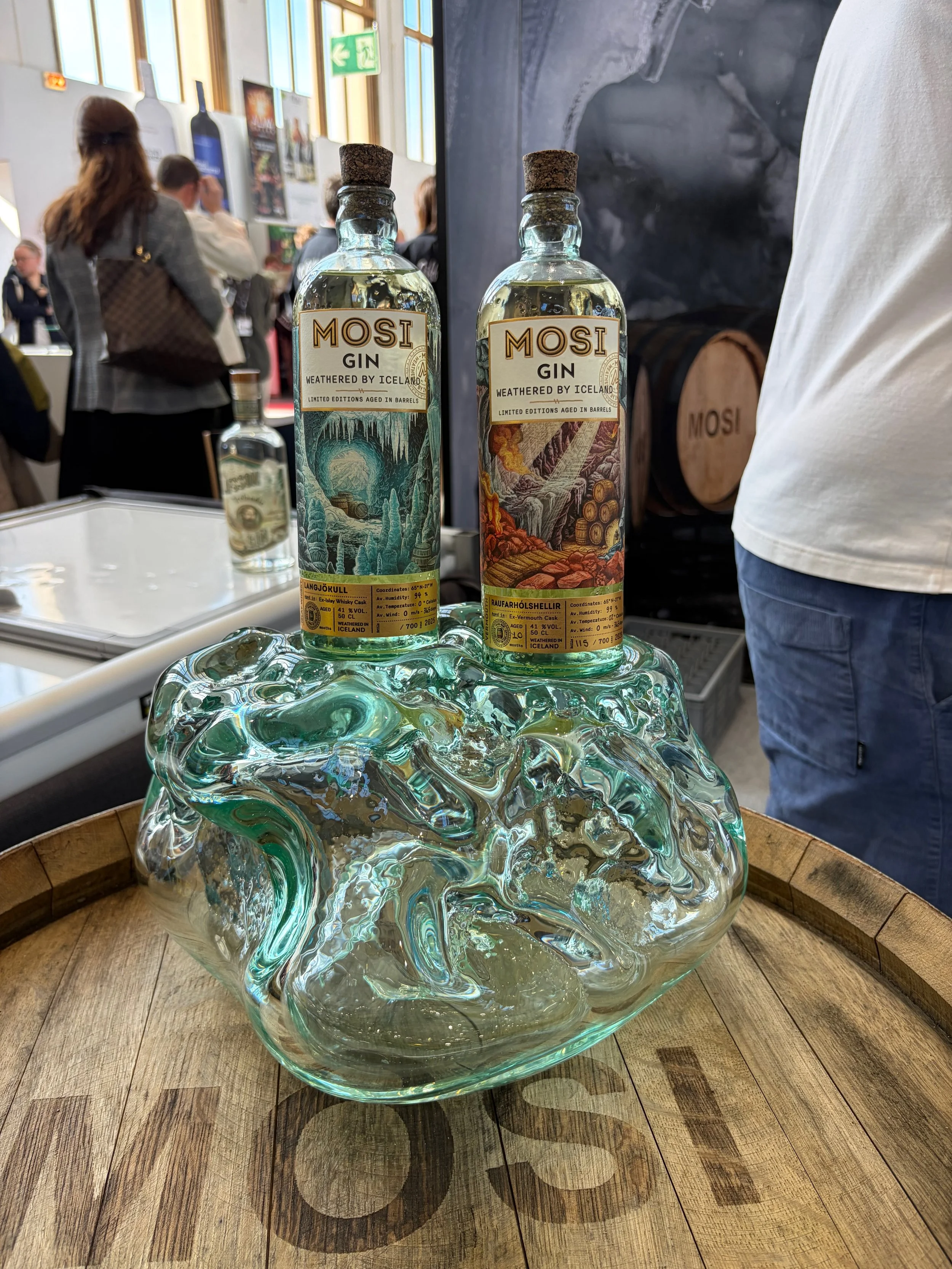
One of the brands that stopped us in our tracks was Mosi Gin from Iceland.
Mosi uses a distinctive ‘weathering’ process, maturing its gin in extreme Icelandic environments. Different expressions are aged in extraordinary locations including the Langjökull glacier and the Raufarhólshellir lava tunnel.
It is a compelling provenance story, but what made it work at BCB was how quickly you could understand it.
The bottle glorifiers translated those environments into the physical presentation of the brand. Before anyone had explained the process, you knew there was something worth discovering.
That distinction matters.
There is no shortage of provenance stories in spirits. The challenge is turning provenance into something people can see, feel, understand and retell.
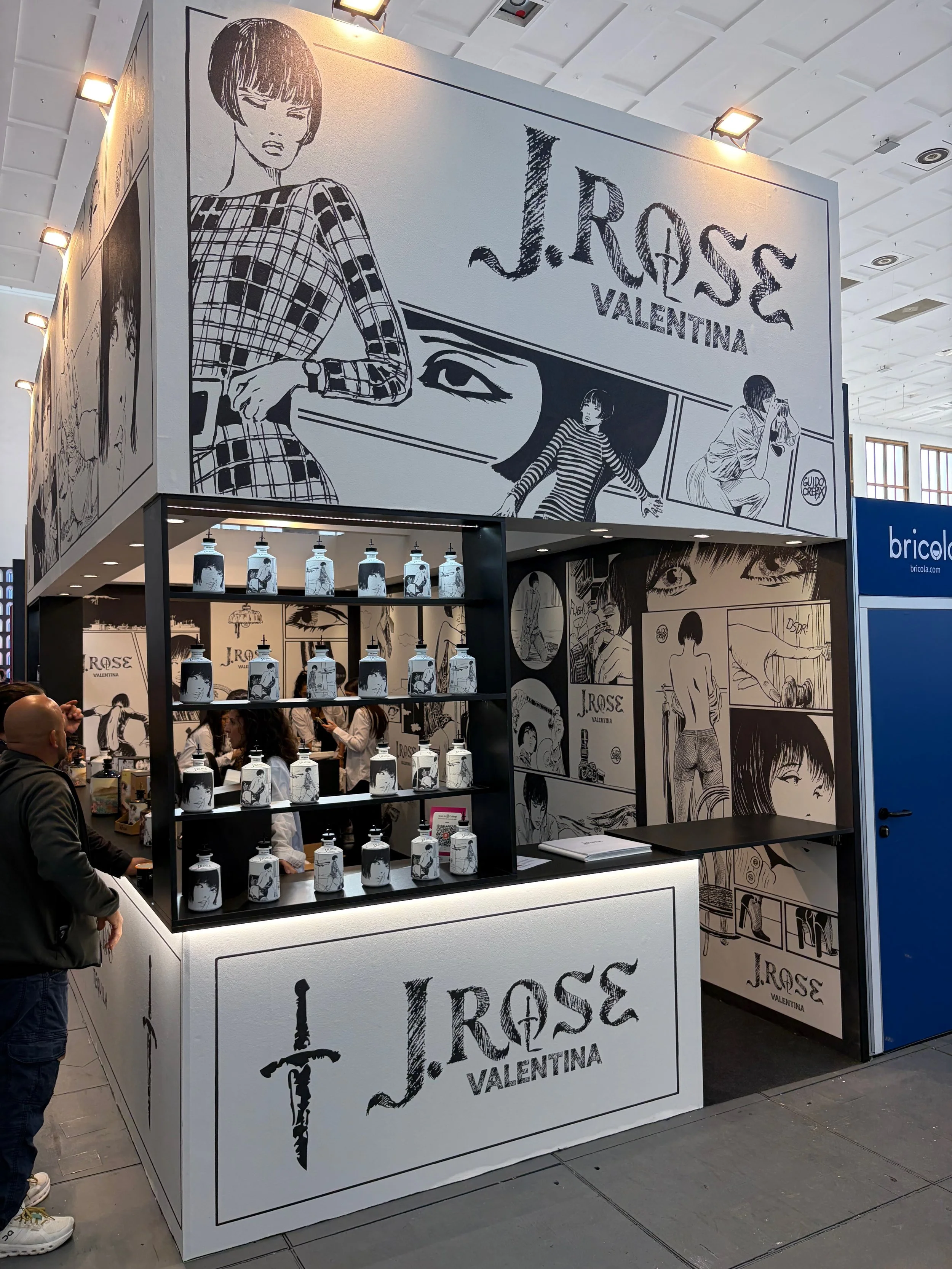
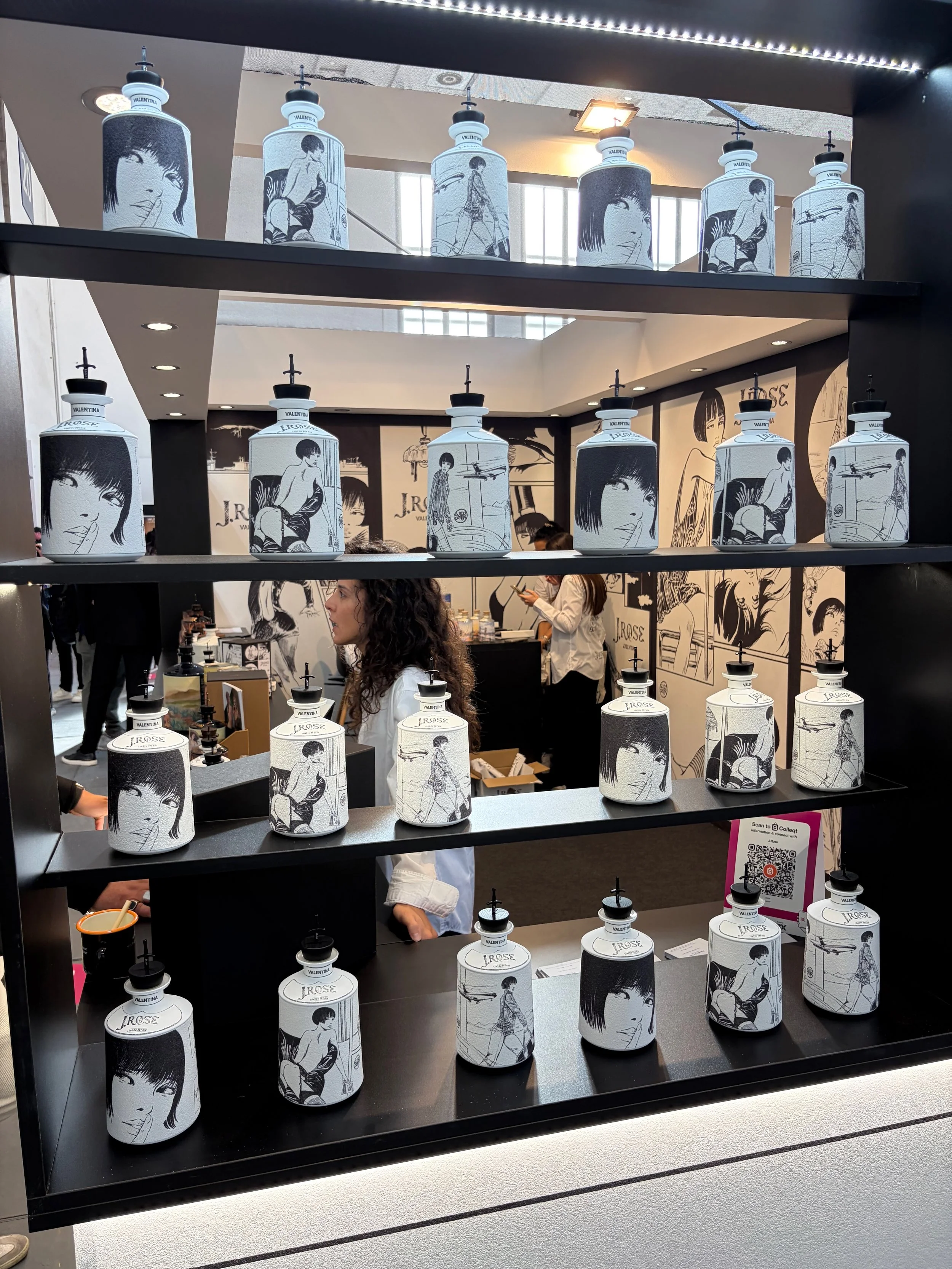
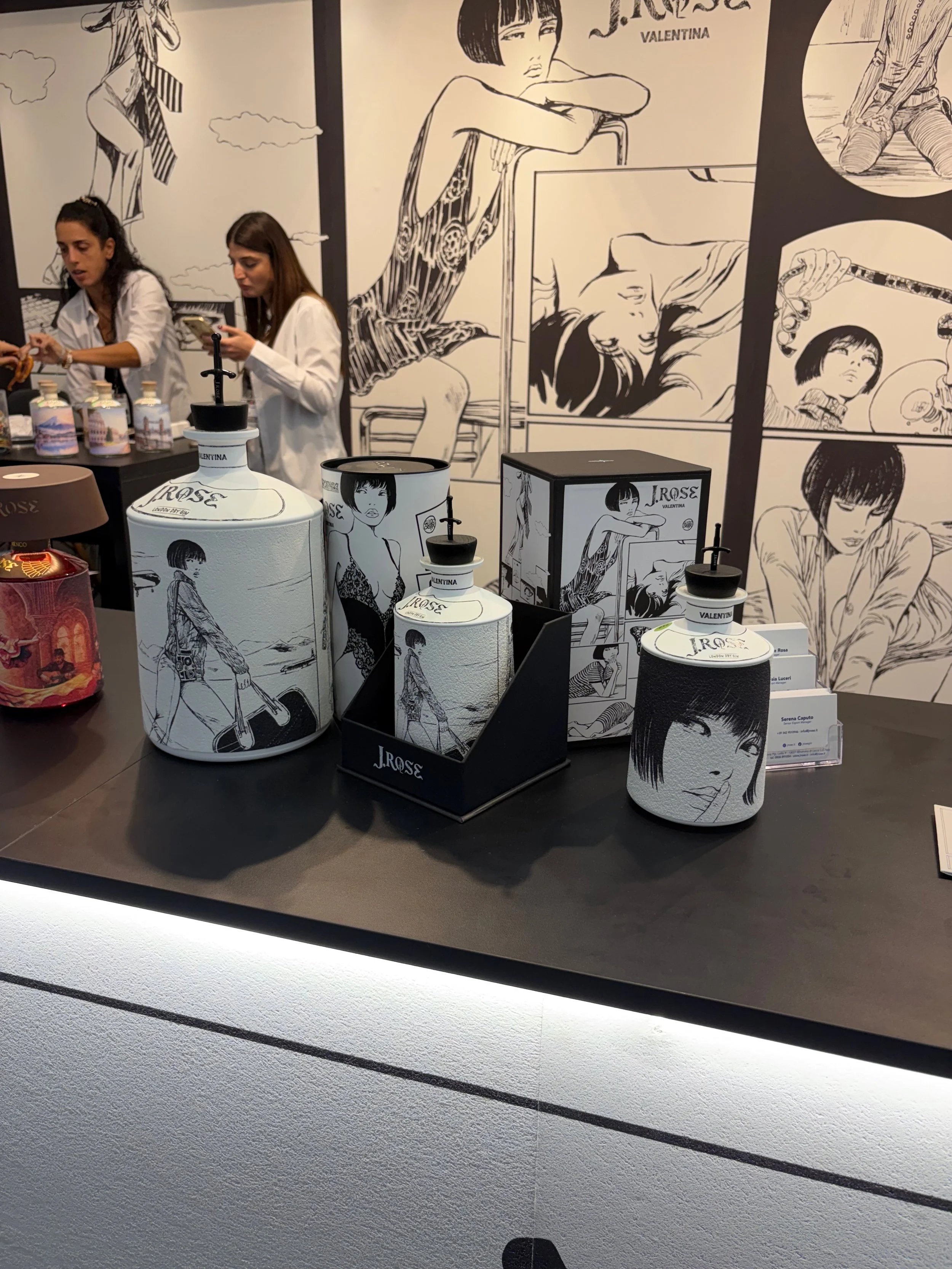
J.Rose London Dry Gin approached the same challenge from a completely different direction. Its tactile bottles and collectible labels, featuring artwork from Italian illustrator Milo Manara, felt closer to art objects than conventional gin packaging. The labels themselves use Carrara marble and Roman Travertine powder, connecting the physical object back to Italian art and architecture.
Two very different brands, but the same underlying lesson.
A brand truth becomes more powerful when people can experience it.
That is something we think about a lot at Wonderworks. Wonder is rarely created by adding more decoration around a brand. It comes from uncovering something genuinely distinctive and finding a way for people to experience it.
FLAVOUR IS ESCAPING TRADITIONAL CATEGORY BOUNDARIES
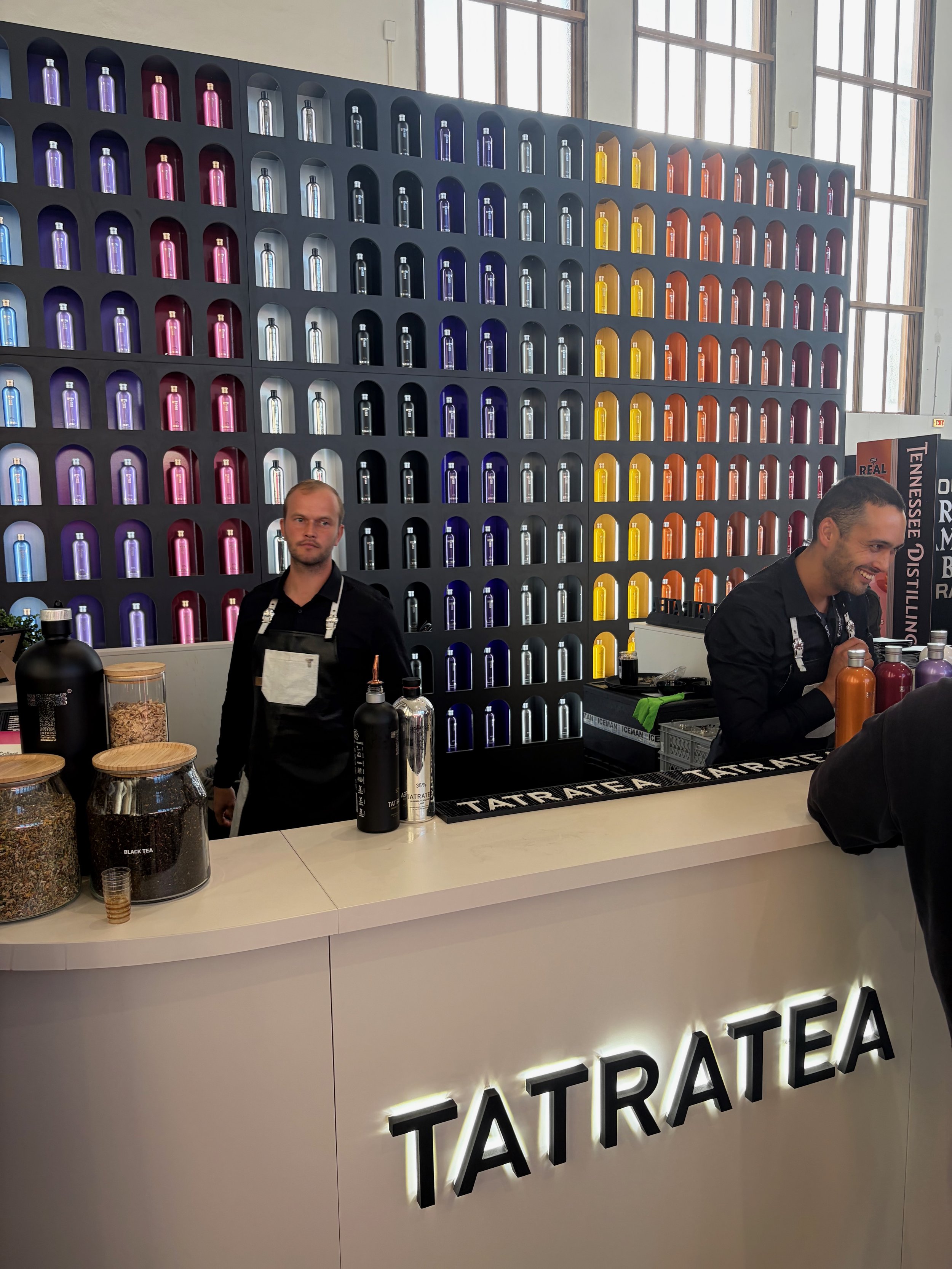
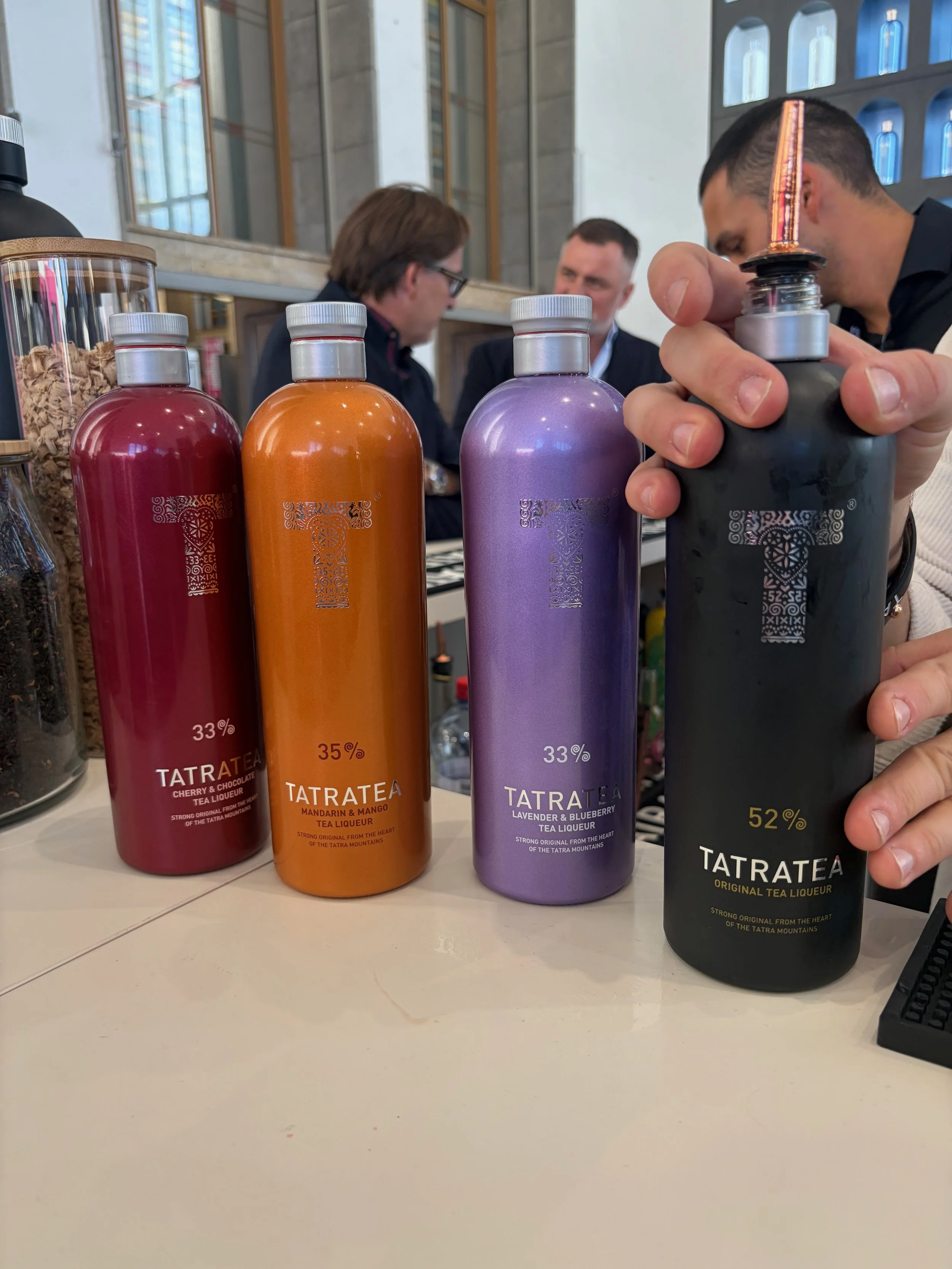
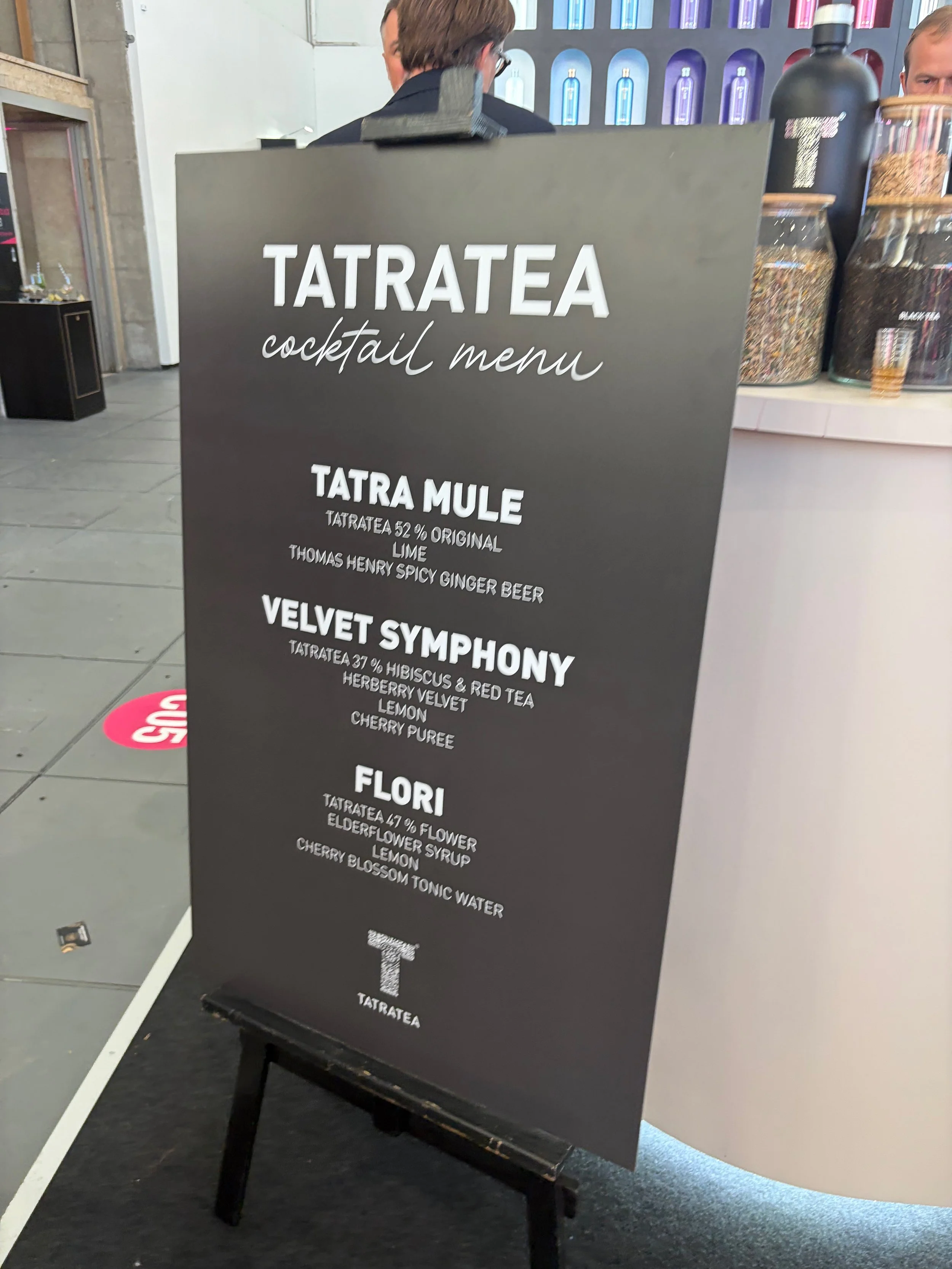
One of my personal discoveries of BCB Berlin was Tatratea.
Veteran bartender and global brand ambassador Rusty Červeň took me through the Slovak tea-based herbal liqueur range, and I was genuinely impressed by the depth and variety of flavour.
Tea, herbs, fruit and spirits come together in ways that do not sit particularly neatly inside traditional category expectations, which is exactly what made it interesting.
Across the show there were similar signals around tea, fermentation, citrus alternatives, botanicals and more culinary flavour profiles.
It would be easy to turn those observations into another list of ingredients supposedly destined to become ‘the next big thing’.
We think the more interesting truth is broader.
Drinks innovation is borrowing from a much wider flavour world.
Bartenders and brands are increasingly looking towards food, tea, fermentation, soft drinks and culinary techniques for inspiration.
For drinks brands, that suggests thinking less about chasing individual flavour trends and more about building flavour territories they can credibly own, stretching across liquids, serves, RTDs and experiences while remaining recognisably theirs.
SOME OF THE BEST INNOVATION SOLVES BORING PROBLEMS BRILLIANTLY
Not everything interesting at BCB came from drinks brands.
There was plenty of innovation designed simply to make bartenders’ lives easier.
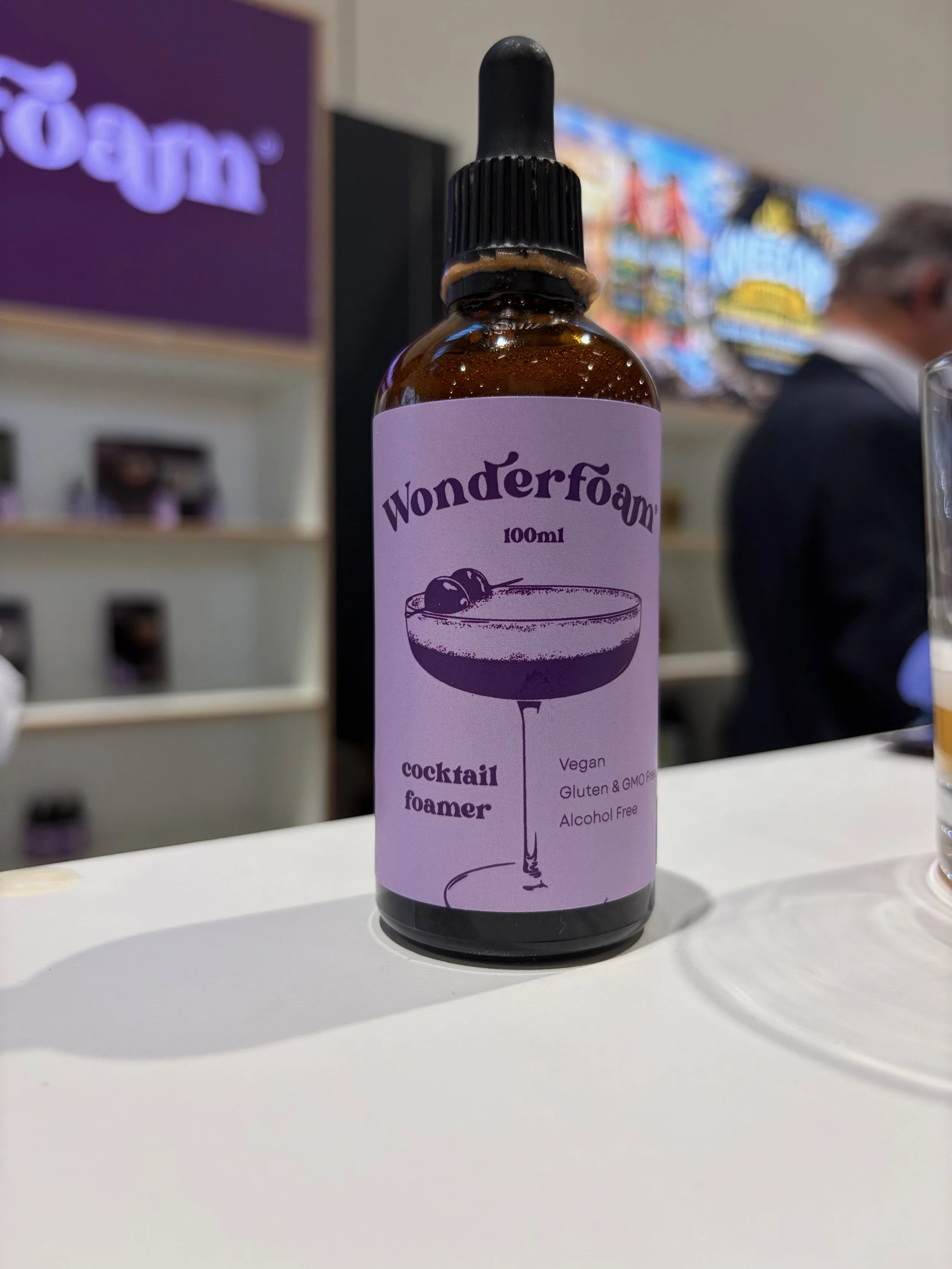
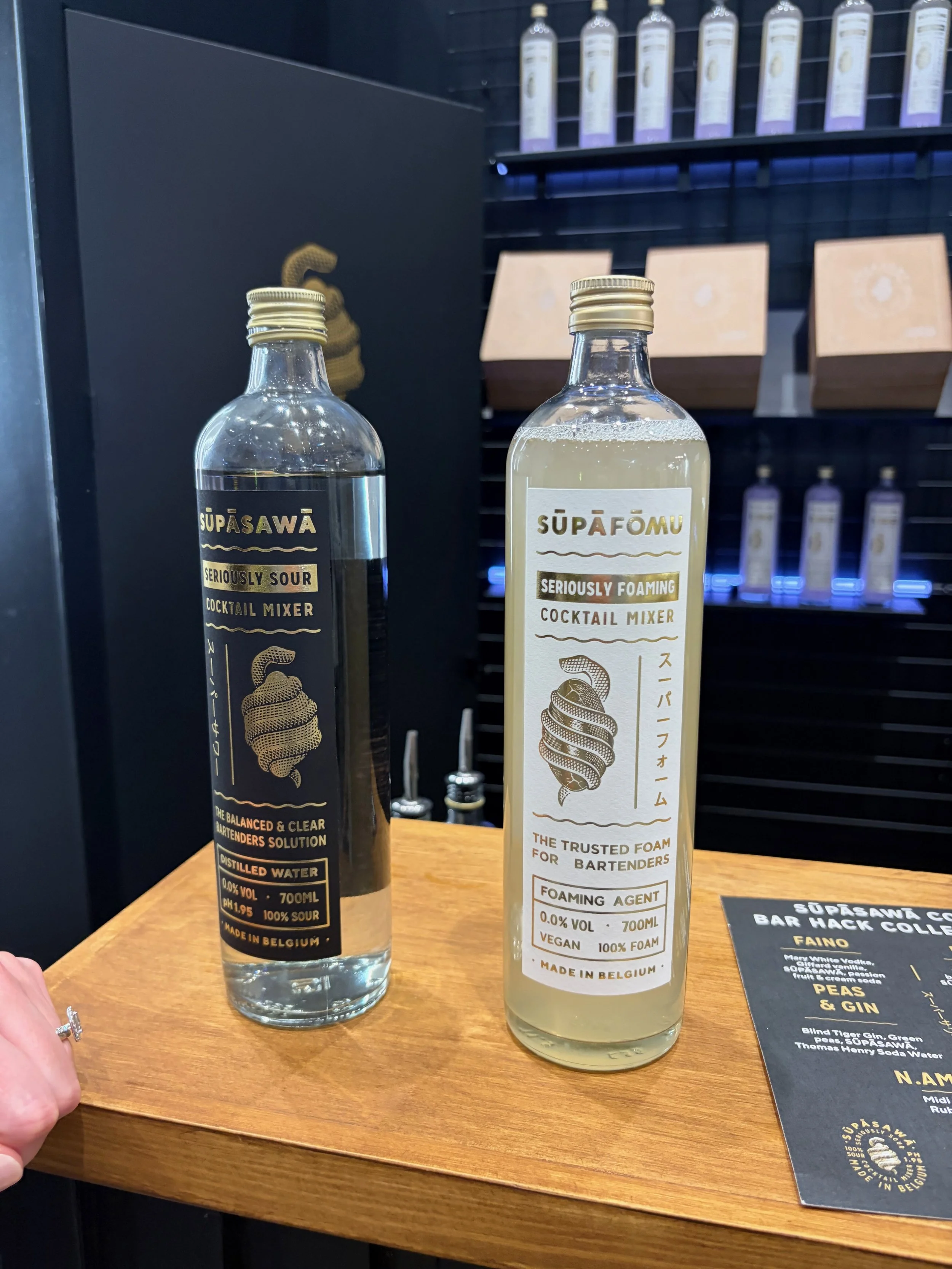
Wonderfoam and Supafomu both offered alternatives to egg white for creating foam in cocktails, through slightly different formats. Supafomu was particularly interesting because it comes from the team behind Supasawa, whose citrus replacement solution caught our attention at last year’s show.
These products might not generate the same headlines as a new spirit launch, but they point towards something important.
Speed, consistency, waste and preparation all matter behind the bar.
Sometimes innovation does not need to reinvent the drinking experience. It just needs to remove friction from it.
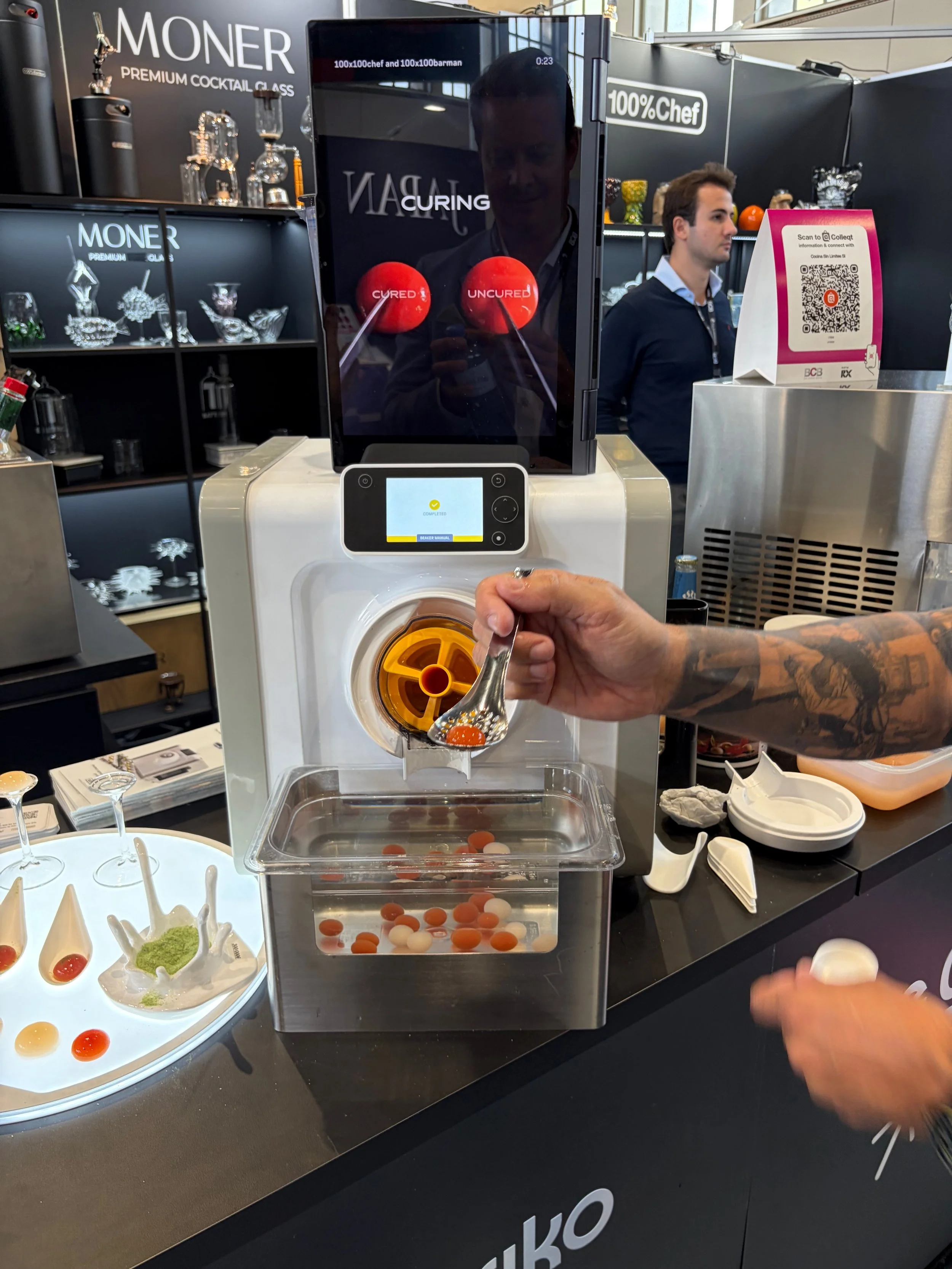
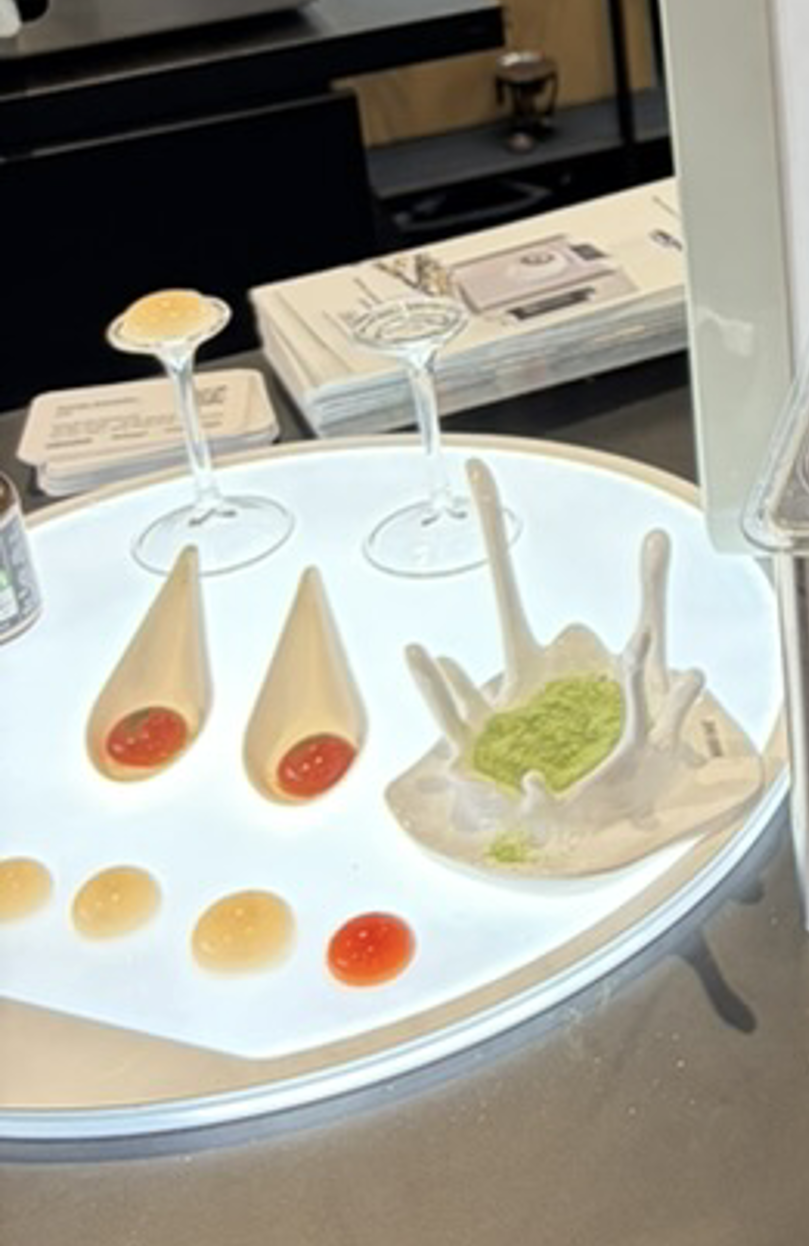
One of the more unexpected examples came from Esferiko and 100% Barman, with a reverse spherification machine capable of creating small liquid spheres in different sizes.
There is obvious theatre in that, but what interested us was where else the technology could go.
Imagine cocktail spheres being used for sampling in Global Travel Retail, retail or experiential environments where installing a bartender, bar and refrigeration is difficult.
Suddenly a piece of bartender equipment becomes an activation tool.
That is the kind of connection we love. Taking something designed for one part of drinks culture and asking where else it could create value.
SOMETIMES ONE SIMPLE IDEA IS ENOUGH
Finally, one of the simplest things we saw was also one of the most memorable.
Distileriile Bran displayed its plum brandy using enormous hands holding the bottle.
That was basically it.
No complicated technology. No lengthy explanation. No enormous immersive world.
Just a wonderfully oversized visual device that made people stop, smile, photograph it and share it.
There is a useful reminder in that.
The drinks industry has spent years talking about immersive experiences, but complexity and impact are not the same thing.
Sometimes the strongest brand activation is simply one distinctive idea, executed brilliantly.
The question is not how much can we add.
It is what do we want someone to notice, feel and remember?
What BCB Berlin 2026 really told us
You could leave BCB with a long list of drinks industry trends.
RTD. Low and no. Smaller formats. Tea. Fermentation. Bartender technology. Provenance. Experiential design.
But a list is not particularly useful unless we understand what sits underneath it.
Our bigger takeaway from BCB Berlin 2026 was an industry becoming more selective.
And that creates a tension.
There has never been more capability to create new products, formats, flavours, content and experiences. But more choice does not automatically create more meaning.
Everyone is talking about drinks innovation. We think the more interesting question is what gives people a reason to choose.
The things that stayed with us from Berlin tended to answer that question.
RTDs that make hospitality easier. Smaller formats that reduce the barrier to discovery. Low and no drinks that make moderation feel like a positive choice. Brand stories you can immediately understand and retell. Tools that remove friction. Experiences built around one memorable interaction rather than layers of unnecessary complexity.
At Wonderworks, our role is to uncover what matters in a brand and connect it to what matters in people’s lives. Because drinks are rarely just liquids. They are rituals, rewards, stories, signals of identity and reasons to gather.
BCB Berlin reinforced why that matters.
The next generation of drinks growth will not come from product innovation, brand experience, advocacy or channel thinking operating independently. It will come from understanding the role a brand can genuinely play, then connecting those things around it.
The drinks industry does not necessarily need more stuff. It needs better reasons to choose.
Written by Tim Dexter, our Buisness Director
If you would like to hear more about what we get up to at Wonderworks please use the button below!